Planning factory filming in China requires more than securing location access. Manufacturing environments introduce operational constraints that affect crew size, equipment choices, compliance procedures, and production timelines. For international producers filming in China, factory shoots combine corporate sensitivity, industrial safety regulations, and logistical coordination within active production facilities.
This guide outlines how factory filming actually functions on the ground in 2026, including permit layers, safety protocols, crew workflow, equipment strategy, and budget considerations specific to manufacturing environments.
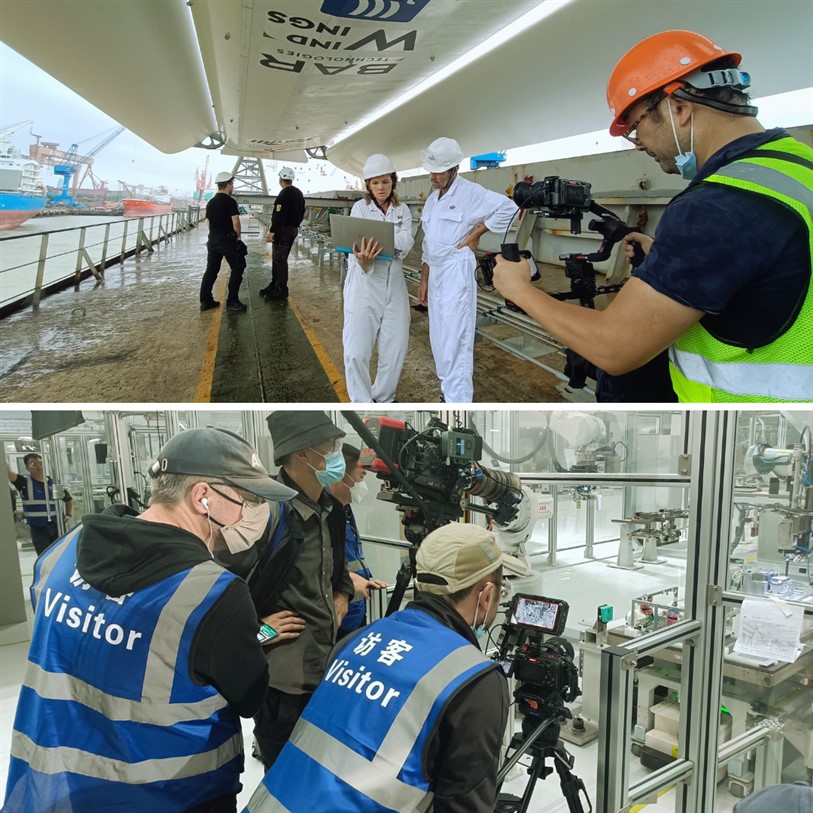
Factory Filming in China: Access and Authorization Structure
Factories in China are private industrial environments, but access rarely depends on simple internal approval alone.
Typical authorization layers include:
- Corporate headquarters approval
- On-site management authorization
- Security department clearance
- Local government notification (in certain industrial zones)
Export-oriented factories may require additional documentation due to international brand compliance standards.
Even when the client owns the facility, filming permits may be necessary if production visibility extends beyond private property, especially for exterior drone shots.
Understanding ownership structure and regulatory jurisdiction early prevents access delays.
Confidentiality and Brand Sensitivity in Manufacturing Environments
Confidentiality is central to factory filming in China.
Common restrictions include:
- No filming of proprietary machinery details
- Controlled access to specific production lines
- Pre-approved camera angles
- Mandatory review of footage before release
Luxury brands and technology manufacturers enforce strict data protection policies. Non-disclosure agreements often extend to entire crew lists.
In certain sectors, filming may require limiting foreign crew access to sensitive areas. Bilingual crew coordination helps clarify boundaries and reduce misunderstandings.
Producers should request floor plans and production flow diagrams during pre-production to identify restricted zones early.
Safety Compliance and On-Site Protocol
Industrial safety compliance significantly influences crew structure.
Typical safety requirements include:
- Protective equipment (helmets, safety shoes, reflective vests)
- Restricted zones with escort requirements
- Safety induction briefings before filming
- Equipment clearance to avoid obstruction of machinery
Certain industries, such as chemical processing or electronics manufacturing, may impose additional environmental or contamination protocols.
Cleanroom environments require special procedures:
- Anti-static clothing
- Limited crew size
- Pre-cleaned equipment
Failure to align production workflow with safety protocols can halt filming immediately.
Production Logistics China Inside Active Facilities
Filming inside operational factories requires coordination with production managers to minimize disruption.
Operational realities include:
- Limited shooting windows between shift cycles
- Noise from machinery affecting sound recording
- Restricted lighting placement due to safety codes
- Temperature or humidity constraints
Production logistics China planning must adapt to factory schedules. Weekends or maintenance shutdown periods often provide optimal shooting conditions.
Communication between line producer China coordination teams and factory supervisors ensures alignment between filming schedule and manufacturing output targets.
Equipment Strategy for Factory Filming in China
Factory environments influence equipment decisions significantly.
Lighting considerations:
- Overhead industrial lighting may create color inconsistencies.
- Power availability varies between zones.
- Heavy stands may be restricted in high-traffic areas.
Compact camera setups reduce disruption. Lightweight camera package China configurations improve mobility within tight assembly lines.
In some factories, large cranes or dolly systems are impractical. Stabilized handheld or compact gimbal solutions often perform better.
Importing specialty equipment through ATA carnet China processes may be necessary for unique technical requirements. However, local equipment rental China networks in major cities cover most industrial filming needs.
Backup batteries and cable management must meet safety compliance standards.
Drone Usage in Factory Environments
Drone filming inside or around factories introduces layered compliance.
Exterior drone use typically requires:
- Property-owner consent
- Local airspace approval
- Alignment with drone regulations China
Interior drone flights are less common and often prohibited due to safety risks.
Even outdoor flights near industrial zones may require additional security notification, particularly if facilities relate to critical infrastructure.
Early coordination between production teams and facility security departments ensures realistic aerial planning.
Regional Differences and Industrial Zones
China’s manufacturing base spans diverse regions, each with unique regulatory culture.
Examples:
- Coastal provinces often host export-driven factories with strict compliance standards.
- Inland regions may offer more flexible access but require relationship-based coordination.
- High-tech industrial parks typically enforce heightened security screening.
Location scouting China for factory shoots must include evaluation of:
- Proximity to airports or freight hubs
- Accommodation availability for crew
- Regional enforcement patterns
Multi-factory shoots across cities introduce cross-city production complexity, including permit resets and equipment transport planning.
Budget Structure for Factory Filming in China
Production budget China planning for factory shoots includes both visible and hidden cost layers.
Direct cost elements may include:
- Location usage fees
- Security supervision charges
- Safety equipment procurement
- Production downtime compensation if filming disrupts operations
Indirect cost factors often include:
- Extended prep days due to restricted access
- Sound control measures
- Lighting adaptation to industrial conditions
- Translation and documentation preparation
Compensation for halted production lines can significantly affect budget calculations. Scheduling filming during maintenance windows reduces cost exposure.
Clear agreement on disruption thresholds prevents financial disputes.
Timeline Compression and Manufacturing Schedules
Factories operate under fixed production targets. Filming windows may be constrained by export deadlines or seasonal demand.
Timeline considerations include:
- Coordinating with maintenance shutdown periods
- Aligning filming with demonstration-ready production stages
- Building buffer time for safety briefings and escort procedures
Compressed schedules increase risk of incomplete coverage if access becomes restricted unexpectedly.
Advance technical recce visits help optimize shot lists within operational constraints.
Crew Structure and Access Management
Factory shoots often require reduced crew sizes to maintain operational safety.
Common workflow adjustments:
- Skeleton technical teams
- Remote video assist outside production floor
- Staggered crew access to sensitive zones
Foreign crew access may require passport registration with factory security. Some facilities limit access to domestic staff only.
Clear crew lists and identification procedures streamline entry processes.
Strong on-site coordination prevents bottlenecks at security checkpoints.
Industry-Specific Constraints
Different manufacturing sectors introduce distinct compliance factors.
Electronics and Semiconductor Facilities
Strict cleanroom protocols and limited filming zones.
Automotive Manufacturing Plants
Coordination with robotic assembly lines and safety clearances for moving machinery.
Food Processing Facilities
Hygiene regulations and contamination controls.
Heavy Industry and Steel Plants
High heat zones and restricted lighting equipment.
Understanding sector-specific regulations during early planning prevents costly reconfiguration during shoot days.
Risk Mitigation Strategies
Factory filming involves higher operational risk than corporate office shoots.
Practical mitigation strategies include:
- Conducting technical walkthroughs with safety officers.
- Identifying backup shooting angles.
- Preparing alternative lighting plans.
- Scheduling interviews in quieter zones away from active machinery.
Producers should obtain written approval for filming boundaries to avoid disputes over sensitive footage.
Early legal and compliance consultation reduces exposure to intellectual property concerns.
Operational Perspective for International Producers
Factory filming in China offers compelling visuals and direct access to global manufacturing ecosystems. However, success depends on integrating industrial safety, confidentiality, and logistical precision into creative planning.
Key execution principles include:
- Treating factory access as structured negotiation, not informal permission.
- Aligning equipment strategy with safety compliance.
- Coordinating production schedules with manufacturing timelines.
- Reducing crew footprint without compromising coverage.
When regulatory coordination, safety planning, and equipment adaptation align, factory filming in China becomes efficient, visually impactful, and operationally stable for international campaigns in 2026.