Filming in Qingdao offers a rare combination of European-style architecture, modern studio infrastructure, and coastal landscapes within China. The city is widely recognized for its waterfront skyline, historic German-era districts, and purpose-built film facilities. However, filming in Qingdao requires clear planning around weather patterns, studio scheduling, and local permitting processes.
For international producers considering filming in China outside of Tier 1 hubs, Qingdao presents both advantages and logistical nuances. This guide outlines real production workflows, budgeting considerations, equipment strategy, and risk management for successful shoots.
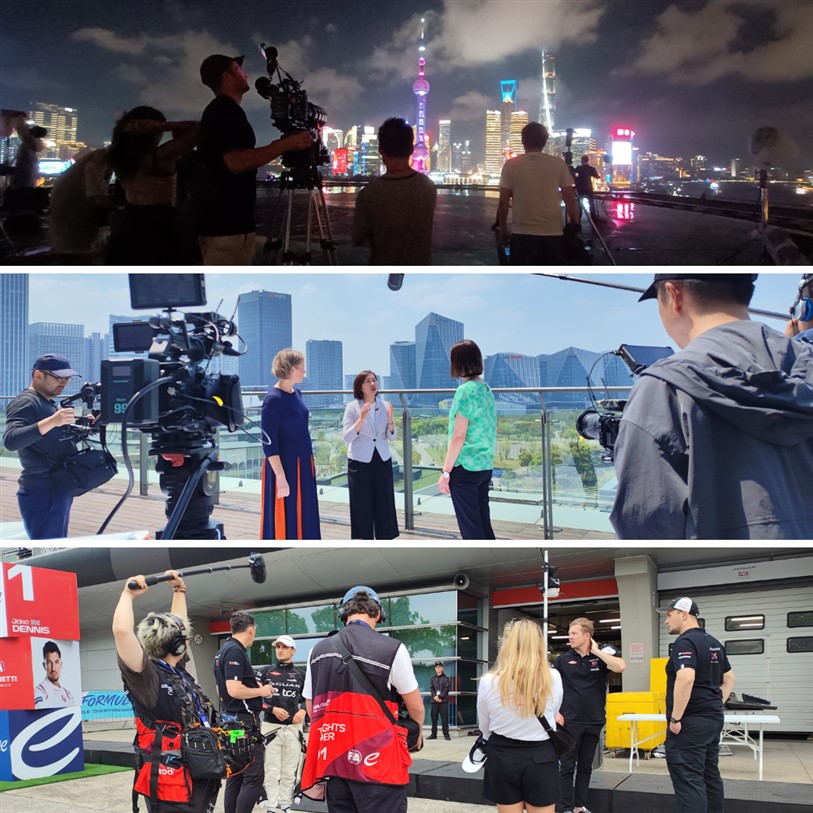
Filming in Qingdao: Visual Character and Strategic Advantages
Qingdao’s architectural identity distinguishes it from many mainland cities. Red-roofed colonial buildings, seaside promenades, and hillside villas create a European atmosphere rarely found elsewhere in China.
Common production types include:
- Period dramas requiring European aesthetics.
- Luxury and lifestyle commercials.
- Automotive campaigns on coastal roads.
- Studio-based feature and streaming projects.
The presence of large studio complexes has strengthened Qingdao’s reputation as a production base. Yet exterior shoots still require independent coordination.
Unlike inland cities, coastal light conditions and wind patterns shape cinematography decisions.
Filming in Qingdao: Studio Infrastructure vs Location Production
One major advantage is access to modern soundstage facilities. Qingdao’s studio complexes offer:
- Large-scale sound stages.
- Controlled interior environments.
- Water tank facilities for maritime scenes.
Studio production reduces permit complexity compared to public exteriors. However, exterior location filming still follows municipal approval channels.
Productions often combine studio builds with practical city exteriors. Careful scheduling avoids overlap conflicts during peak production seasons.
Soundstage booking should begin early, especially for international projects requiring long-term builds.
Permit Structure and Regulatory Considerations
Filming permits in Qingdao depend on location type.
General patterns include:
- Public spaces require district-level approvals.
- Waterfront areas may involve maritime authority coordination.
- Drone regulations China enforcement is strict along harbor and port zones.
Smaller documentary-style productions may operate with lighter approvals, but commercial shoots require formal coordination.
Government-managed heritage sites require advance applications. Police notification is common for larger setups.
Producers should build timeline buffers into pre-production planning.
Coastal Weather and Seasonal Planning
Weather significantly influences filming in Qingdao.
Important factors:
- Strong coastal winds affecting lighting rigs and cranes.
- Cold winters with icy conditions.
- Humid summers with sea fog affecting visibility.
Spring and early autumn typically provide the most stable conditions.
Wind mitigation strategies include:
- Sandbag reinforcement for exterior lighting.
- Alternative sheltered locations.
- Backup interior schedules.
Weather-related delays are common for waterfront productions, so flexible call sheets are recommended.
Equipment Rental China: Local Availability and Shipping Strategy
Qingdao’s equipment rental China network supports studio productions effectively. Standard digital cinema packages, lighting kits, and grip equipment are available locally.
However:
- Specialty lenses may require delivery from Beijing or Shanghai.
- High-speed or niche camera systems may need cross-city coordination.
- Backup gear availability is moderate but not as deep as Tier 1 markets.
When deciding whether to ship gear:
- Long-term studio projects justify transporting equipment.
- Short commercial shoots benefit from local rental to avoid ATA carnet China complications.
Confirming lens ecosystem availability is critical for projects with precise optical requirements.
Crew Structure and Local Workforce Dynamics
Qingdao’s crew base has grown due to studio-driven demand. Many technicians have experience with large domestic productions.
Typical crew dynamics:
- Line producer China roles coordinate permits, studios, and logistics.
- Department heads are available locally but sometimes supplemented by Beijing-based specialists.
- Bilingual crew availability is improving but not universal.
Communication workflows often follow structured hierarchy. Foreign directors should rely on production managers or assistant directors for efficient coordination.
Hiring experienced bilingual crew remains the most effective communication solution.
Production Budget China: Cost Variables in Qingdao
Qingdao can be cost-effective compared to Beijing or Shanghai, particularly for studio work. However, location-specific costs should be understood clearly.
Budget components include:
- Studio rental fees varying by stage size and duration.
- Location fees for heritage districts.
- Coastal transportation logistics.
- Accommodation costs during peak tourist seasons.
Illustrative considerations:
- Local crew rates may be moderate.
- Imported specialists increase budget layers.
- Transporting equipment from other cities adds freight and insurance.
International producers often underestimate seasonal accommodation pricing rather than labor costs.
Cross-City Production and Access
Qingdao Liuting Airport supports domestic connectivity, though international routes may be limited compared to major hubs.
Travel considerations:
- High-speed rail links connect Qingdao to Beijing and Shanghai.
- Equipment shipping through Shanghai remains common.
- Cross-city production often combines Qingdao with Beijing-based crews.
Scheduling should account for travel time if specialized crew travel from other cities.
Freight handling processes are efficient but require complete documentation.
Industry-Specific Compliance and Sensitive Zones
Maritime filming requires coordination beyond standard city permits. Harbor areas, shipping terminals, and naval-adjacent zones involve stricter oversight.
Additional compliance considerations:
- Factory filming requires confidentiality agreements.
- ESG filming compliance increasingly requested for industrial content.
- Automotive road closures require traffic authority coordination.
Heritage districts may impose limitations on heavy equipment or modifications to public spaces.
Early communication with property management reduces conflict.
Location Constraints and Urban Layout
Unlike mountainous Chongqing, Qingdao features more accessible urban grids. However, coastal roads and hillside villas create logistical considerations.
Common challenges:
- Limited parking near waterfront areas.
- Tourist congestion during peak seasons.
- Restrictions on cranes or large rigs in historic zones.
Location scouting China should include access testing rather than visual inspection alone.
Productions using aerial units must verify local drone regulations China compliance carefully.
Timeline Compression and Studio Coordination
Studio-based productions in Qingdao often operate on compressed schedules. Once stage availability is confirmed, construction and shooting move rapidly.
Key practices:
- Lock production design early.
- Confirm equipment arrival before stage access begins.
- Coordinate build schedules with local safety inspectors.
Outdoor shoots require greater timeline flexibility due to weather variability.
When Filming in Qingdao Makes Strategic Sense
Qingdao is particularly suited for:
- European-style visuals within China.
- Controlled studio builds requiring large stages.
- Coastal automotive or luxury campaigns.
- Maritime or harbor-based storytelling.
It may be less ideal for hyper-modern megacity visuals or dense urban skyscraper backdrops.
Risk Mitigation for Foreign Producers
Common risks include:
- Weather disruptions.
- Permit sensitivity near waterfront or maritime zones.
- Limited availability of specialized gear locally.
Mitigation strategies:
- Confirm alternate shooting days.
- Engage experienced local line producers.
- Lock equipment lists well in advance.
Operational Perspective
Filming in Qingdao combines studio infrastructure with distinctive coastal architecture. For international productions seeking European aesthetics or controlled stage environments within China, the city offers strategic value.
With realistic scheduling, careful permit coordination, and clear equipment planning, Qingdao supports efficient production execution while maintaining visual uniqueness within the broader landscape of filming in China.