Filming in Foshan provides access to one of Southern China’s most production-friendly manufacturing regions, combining traditional cultural locations with modern industrial environments. Located within the Greater Bay Area near Guangzhou and Shenzhen, Foshan offers strong logistical advantages for commercial production, corporate filmmaking, and factory-based shoots.
For international producers considering filming in China beyond Tier 1 city centers, Foshan represents a strategic alternative with lower costs, flexible access, and proximity to world-class equipment and crew networks. This guide examines real production workflows, regulatory considerations, and practical on-the-ground realities.
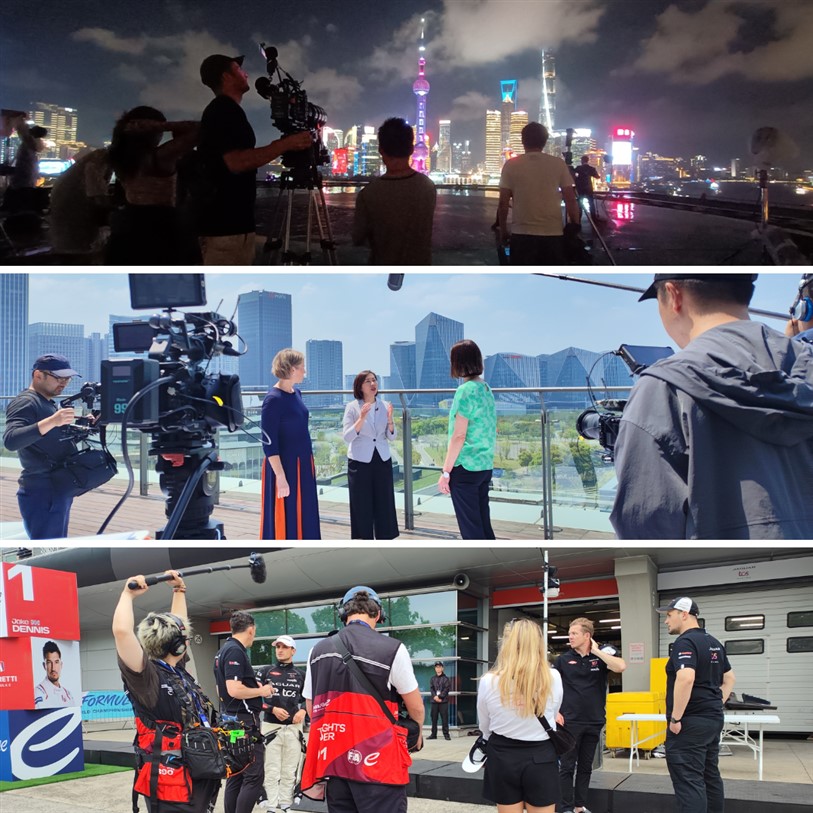
Filming in Foshan: Why Producers Choose the City
Foshan is often overlooked internationally, yet it plays a significant role in industrial and commercial filmmaking within Southern China.
Key production advantages include:
- Dense manufacturing infrastructure.
- Traditional Cantonese architecture and martial arts heritage locations.
- Easy access to Guangzhou production ecosystems.
- Lower location fees compared to major metropolitan areas.
Common production types include:
- Factory tours and manufacturing documentaries.
- Automotive and industrial brand films.
- Corporate promotional content.
- Lifestyle commercials using Lingnan-style neighborhoods.
Producers frequently use Foshan as a base for cross-city production across the Greater Bay Area.
Filming in Foshan vs Guangzhou or Shenzhen
Understanding regional differences helps determine whether filming in Foshan aligns with production goals.
Compared to Guangzhou:
- Foshan offers easier access to factories.
- Permit approvals can be more flexible for commercial shoots.
- Urban density is lower, simplifying logistics.
Compared to Shenzhen:
- Less futuristic architecture.
- More traditional cultural environments.
- Lower accommodation and crew costs.
Many productions shoot industrial sequences in Foshan while handling urban exteriors in Guangzhou or Shenzhen.
Location Scouting China: Visual Identity and Shooting Environments
Foshan’s visual landscape blends old and new.
Common filming environments include:
- Ceramic manufacturing districts.
- Martial arts heritage sites.
- Lingnan-style historic neighborhoods.
- Industrial parks with modern infrastructure.
- Traditional temples and waterways.
Location scouting China in Foshan requires balancing aesthetics with accessibility. Industrial sites often look visually impressive but may have safety or confidentiality restrictions.
Early technical recce is essential, especially for heavy equipment or vehicle access.
Filming Permits and Regulatory Realities
Permit processes vary depending on location category.
Typical scenarios:
- Private factories require direct negotiation with management.
- Public streets require district approvals.
- Cultural heritage sites may involve additional oversight.
Unlike larger cities, filming permits in Foshan can sometimes move faster due to local administrative structures.
However:
- Police notification may still be required for larger setups.
- Drone regulations China enforcement applies across urban zones.
- Industrial areas may impose strict safety protocols.
Advance documentation reduces last-minute delays.
Equipment Rental China and Technical Resources
While Foshan itself has moderate rental infrastructure, most professional equipment rental China workflows rely on Guangzhou suppliers.
Common practices:
- Camera packages delivered same-day from Guangzhou.
- Lighting and grip sourced through Greater Bay Area networks.
- Specialty lenses shipped from Shenzhen or Hong Kong if required.
Equipment availability considerations:
- Standard cinema cameras widely available.
- High-speed or niche systems may require cross-city delivery.
- Backup gear availability is strong due to regional density.
Shipping equipment into China via ATA carnet China may be unnecessary for most commercial productions.
Crew Structure and Bilingual Workflow
Local crew availability has improved significantly due to proximity to major production centers.
Typical crew setup includes:
- Local line producer China coordinating permits and logistics.
- Guangzhou-based department heads when required.
- Bilingual crew acting as communication bridges between foreign clients and local teams.
Workflow differences compared to Western markets include:
- More hierarchical communication structures.
- Emphasis on coordination through production managers rather than direct department contact.
Clear briefing documents reduce misunderstandings.
Production Budget China: Cost Structure in Foshan
Foshan offers cost efficiencies compared to Tier 1 cities.
Budget components typically include:
- Lower location fees.
- Moderate crew rates.
- Reduced accommodation costs.
However, certain factors increase costs:
- Transporting specialized equipment.
- Industrial safety compliance requirements.
- Additional insurance for factory environments.
Illustrative cost layers:
- Factory access fees vary widely depending on industry.
- Traffic coordination costs for automotive shoots.
- Permit costs for public areas.
Producers should allocate contingency funds for industrial compliance adjustments.
Industry-Specific Compliance for Manufacturing Shoots
Factory filming introduces unique challenges.
Common requirements include:
- Safety training for crew entering active production lines.
- Confidentiality agreements restricting certain angles or processes.
- PPE requirements such as helmets or protective clothing.
Luxury manufacturing or high-tech sectors may impose stricter filming restrictions.
Production teams should allow extra time for on-site orientation.
Cross-City Production Logistics in the Greater Bay Area
One of Foshan’s biggest strengths is regional connectivity.
Transport considerations:
- Guangzhou Baiyun International Airport provides primary international access.
- High-speed rail connects surrounding cities rapidly.
- Equipment freight between cities is efficient.
Many projects schedule:
- Foshan for industrial scenes.
- Guangzhou for corporate interiors.
- Shenzhen for futuristic urban visuals.
Cross-city production planning requires careful scheduling to avoid transport delays.
Drone Regulations China and Urban Filming Constraints
Drone use is possible but regulated.
Important considerations:
- Registration through official platforms may be required.
- Industrial zones often restrict aerial filming.
- Harbor or infrastructure zones involve stricter approval.
Drone operators should confirm compliance early.
Timeline Risks and Scheduling Strategies
Foshan’s manufacturing environment creates both advantages and constraints.
Challenges include:
- Factory downtime schedules affecting filming windows.
- Noise from active production lines.
- Limited shooting hours due to operational constraints.
Best practices:
- Align filming with factory shift schedules.
- Prepare alternate shooting plans.
- Confirm electricity capacity for lighting setups.
Time buffers improve efficiency.
When Filming in Foshan Makes Strategic Sense
Foshan works particularly well for:
- Industrial storytelling.
- Corporate and ESG-focused production.
- Automotive or machinery campaigns.
- Cultural heritage narratives.
Projects requiring dense urban skylines or iconic modern architecture may rely more on neighboring cities.
Operational Perspective
Filming in Foshan offers a practical balance between accessibility, cost efficiency, and industrial authenticity within China. Its proximity to Guangzhou and the broader Greater Bay Area expands production possibilities while maintaining manageable logistics.
For international producers seeking factory environments, cultural locations, and streamlined workflows, Foshan remains one of the most strategically useful yet underutilized filming destinations in Southern China.