Understanding how casting agency China filming workflows operate is essential for international producers planning shoots in China. Casting structures differ significantly from Western markets, influenced by local industry organization, regulatory requirements, and the fast-paced nature of commercial production.
Successful casting in China depends less on traditional talent agencies and more on flexible networks combining casting directors, production companies, and regional coordinators. Producers who adapt to these structures early reduce risk, avoid delays, and improve talent quality.
This guide outlines how casting actually works on the ground, what to expect from agencies, and how to structure casting processes efficiently.
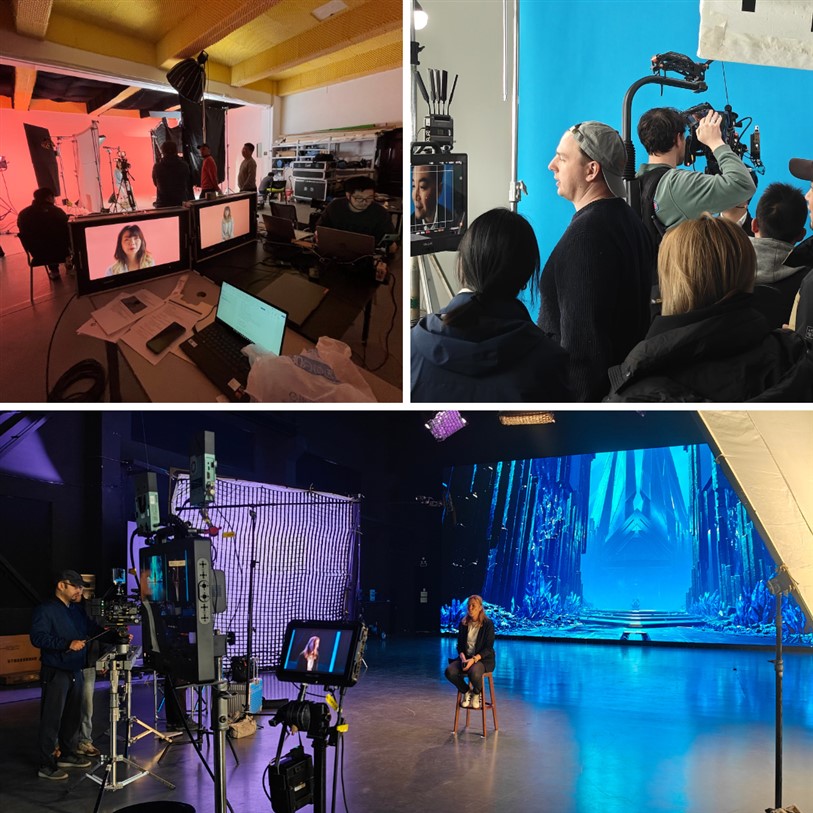
Casting Agency China Filming Workflow: How the System Really Works
China does not follow a single standardized casting model.
Casting may involve:
- Dedicated casting agencies
- Freelance casting directors
- Production companies managing casting internally
- Talent management agencies representing specific artists
Commercial productions often rely on hybrid models rather than single agencies.
Casting agencies typically maintain:
- Talent databases
- Model and actor networks
- Local extras pools
- Bilingual coordinators
For filming in China, casting workflow often moves quickly. Initial casting calls may generate hundreds of submissions within hours.
Unlike some Western systems, agencies frequently expect rapid decision-making.
Role of Casting Agencies Within Production Logistics China
Casting agencies rarely operate in isolation.
They coordinate closely with:
- Line producer China teams
- Directors and creative agencies
- Location scouting China teams
- Production management handling permits and logistics
Casting decisions can influence filming permits, especially when involving foreign talent or public locations.
Production logistics China planning should integrate casting early.
Delays often occur when casting begins too late relative to permit applications or scheduling.
Regional Casting Differences Across China
Casting ecosystems vary by city.
Shanghai
Strong commercial casting market. High availability of international-looking talent and bilingual performers.
Beijing
Large acting pool with film and television experience. More union-like structures within drama sectors.
Guangzhou / Shenzhen
Commercial-focused casting. Fashion models and lifestyle casting common.
Tier 2 cities
Casting agencies may be smaller. Cross-city casting becomes necessary for specialized roles.
Cross-city production increases coordination complexity. Travel and accommodation costs must be considered during budgeting.
Talent Categories and Casting Expectations
Casting agencies in China typically organize talent into several categories:
- Professional actors
- Commercial models
- Real people / documentary casting
- Background extras
- Specialized professionals (factory workers, engineers, athletes)
Clients often request specific visual archetypes or demographics.
Casting agencies respond quickly but expect detailed briefs.
Effective casting briefs include:
- Visual references
- Language requirements
- Usage rights
- Wardrobe expectations
- Shoot schedule clarity
Ambiguous briefs slow down casting significantly.
Budget Structure and Cost Considerations
Casting costs vary widely depending on project scope.
Typical cost layers include:
- Casting director or agency fee
- Studio or casting space rental
- Talent fees
- Usage licensing rights
- Travel and accommodation
- Talent management commission
Usage rights play a major role in pricing.
Factors affecting talent fees:
- Geographic usage region
- Duration of usage
- Media channels (digital, broadcast, outdoor)
- Exclusivity requirements
Production budget China planning should confirm whether rates include agency commissions.
Overlooking usage rights leads to expensive renegotiation later.
Contracts, Releases, and Compliance
Documentation is essential when working with casting agencies.
Standard paperwork includes:
- Talent agreements
- Image release forms
- Usage rights licensing
- Payment terms
- Cancellation clauses
Chinese-language contracts are often required for legal clarity.
Bilingual documentation reduces misunderstandings.
Government filming permits may require submission of talent information in advance, particularly for sensitive locations.
Casting timelines must align with regulatory processes.
Casting Foreign Talent vs Local Talent
Foreign talent casting introduces additional complexity.
Key considerations include:
- Visa and work authorization requirements
- Insurance coverage
- Travel logistics
- Language support
Local casting agencies may collaborate with international talent coordinators.
Many productions find bilingual local performers more efficient, especially when working under compressed schedules.
For certain roles, importing talent may increase production risk due to immigration timelines.
Timeline Realities and Casting Speed
Casting timelines in China can be faster than Western markets.
However, approvals often involve multiple stakeholders:
- Brand client
- Agency creative team
- Production management
- Regulatory review (when applicable)
Casting agencies expect clear feedback cycles.
Long approval delays may result in talent availability issues.
Scheduling realities often include:
- Rapid first-round casting
- Narrow final shortlist
- Last-minute replacements
Experienced line producer China teams build backup options early.
Risk Areas When Working With Casting Agencies
Common risks include:
- Misunderstanding usage rights scope
- Incomplete contracts or release forms
- Talent cancellation close to shoot date
- Underestimating travel logistics for cross-city talent
Clear communication reduces risk significantly.
Production logistics China planning should account for:
- Backup casting options
- Flexible scheduling windows
- Clear payment structure
Talent payments typically route through agencies rather than directly to individuals.
Payment Structures and Agency Relationships
Payment workflows may include:
- Agency invoices covering talent fees
- Separate management commission invoices
- Payroll processing handled by production entity
Foreign producers often fund a local production entity, which pays casting agencies domestically.
Direct international payment to individual talent is uncommon.
China’s invoicing system requires official receipts for corporate accounting.
Payment timing expectations should be clarified early.
Coordination with Equipment and Location Planning
Casting decisions affect technical planning.
Examples:
- Physical requirements may influence camera package China selection.
- Large ensemble casts require additional sound and lighting planning.
- Specific performance styles influence rehearsal scheduling.
Location scouting China teams should coordinate with casting early.
Some locations impose restrictions based on talent count or identity.
Drone regulations China may also influence casting if aerial scenes require specific performers.
Practical Framework for Working With Casting Agencies in China
International producers working with casting agency China filming workflows should:
- Prepare detailed casting briefs with visual references.
- Confirm usage rights and licensing scope early.
- Align casting timelines with permit schedules.
- Work through local production management for payments and contracts.
- Budget for cross-city talent logistics where needed.
- Maintain clear communication with agency coordinators.
Casting in China is highly responsive but requires structured management. When handled strategically, casting agencies provide efficient access to diverse talent pools and support smooth production execution across regions.