Planning automotive commercial production China projects requires a different operational mindset than standard brand shoots. Vehicle control, road permits, safety compliance, and cross-city logistics introduce structural complexity beyond typical commercial filming in China. International producers entering this space must align creative ambition with regulatory reality, equipment capability, and timeline feasibility.
China offers diverse landscapes, modern infrastructure, and large-scale crew capability. However, automotive shoots depend heavily on coordinated permit approvals, disciplined safety planning, and tightly integrated production logistics China workflow. This guide outlines how automotive campaigns function operationally in 2026.
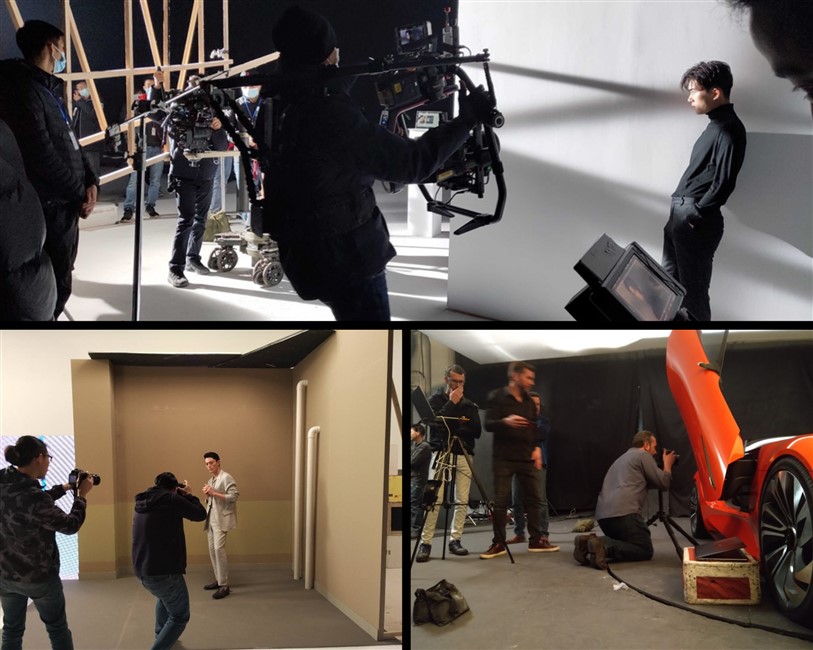
Automotive Commercial Production China: Regulatory Foundations
Automotive filming almost always intersects with public infrastructure. Even controlled environments often require administrative notification.
Key regulatory layers may include:
- Road usage permits
- Traffic police coordination
- District-level filming permits
- Drone regulations China compliance for aerial car tracking
- Location-specific authority approvals
Urban centers typically require more structured review processes. Smaller cities may allow flexibility but demand relationship-driven coordination.
Moving vehicles increase regulatory sensitivity. Authorities focus on public safety, not creative execution. Clear safety documentation and route planning accelerate approvals.
Early engagement with local traffic bureaus prevents last-minute location changes.
Road Closures and Traffic Control Realities
Road-based automotive production introduces specialized workflow.
Possible execution models:
- Full road closures
- Rolling lock-ups with police escort
- Controlled industrial zones
- Closed-circuit test tracks
Full closures in Tier 1 cities are rare and require strong justification. Rolling lock-ups are more common but limit repetition time.
Industrial parks sometimes provide more flexible filming environments, particularly on weekends.
Producers should budget for:
- Police presence
- Traffic marshals
- Safety coordinators
- Contingency time for public disruption
Automotive production budget China planning must account for extended prep time rather than just shoot-day execution.
Location Strategy and Regional Variations
China’s visual diversity supports automotive storytelling. However, region choice influences logistics significantly.
Examples:
- Shanghai and Shenzhen offer modern urban skylines but stricter enforcement.
- Western provinces provide expansive landscapes with lighter traffic.
- Northern regions may offer industrial backdrops but present weather constraints.
Location scouting China for automotive projects must evaluate:
- Road width and surface quality
- Surrounding infrastructure visibility
- Authority jurisdiction boundaries
- Emergency access routes
A scenic location without permit feasibility creates operational risk. Regulatory review should accompany creative scouting.
Crew Structure and Technical Hierarchy
Automotive commercial production China requires specialized crew roles beyond standard commercial teams.
Common additions include:
- Precision drivers
- Safety supervisors
- Rigging specialists
- Vehicle technicians
- Road control coordinators
Local bilingual crew are essential for coordinating between foreign creative teams and traffic authorities.
Hybrid crew structures are typical. International directors or DOPs often lead creative direction, while local teams manage execution logistics.
Clear technical hierarchy reduces confusion during vehicle movement sequences. Automotive sets operate with strict timing and communication protocols.
Camera Package China and Vehicle Rigging Strategy
Equipment planning for automotive shoots differs from standard commercial production.
Considerations include:
- Russian arm or pursuit vehicle systems
- Process trailers
- Suction rig setups
- Stabilized gimbal systems
- Drone tracking units
Major production hubs offer robust equipment rental China ecosystems for vehicle rigs. However, highly specialized systems may require importation through ATA carnet China procedures.
Rigging installation often requires advance testing days. Road permits may specify maximum rig dimensions or attachment methods.
Backup camera systems are critical. Mechanical failure during moving shots can disrupt entire road closures.
Drone Use in Automotive Campaigns
Drone tracking shots have become standard in automotive storytelling. However, drone regulations China impose structured approval processes.
Requirements may include:
- Airspace authorization
- Licensed local pilots
- Coordination with traffic control authorities
- Defined flight paths
Urban drone tracking often faces altitude and proximity restrictions. Industrial zones or highways outside city centers provide more flexibility.
Drone planning must align with vehicle movement timing. Misalignment between aviation approval and road permits creates costly downtime.
Aerial sequences should be scheduled strategically within approved windows.
Production Budget China Considerations for Automotive
Automotive shoots introduce cost layers beyond crew and equipment.
Budget categories often include:
- Road permit fees
- Police supervision costs
- Safety equipment and barriers
- Vehicle transport and storage
- Insurance extensions for moving vehicles
- Rehearsal days for precision driving
Vehicle insurance coverage may require additional riders. International brands must confirm policy compatibility with local regulations.
Weather contingency planning is also essential. Rain or poor visibility can halt vehicle movement shots.
Budget models should include rehearsal days and contingency allocation rather than assuming uninterrupted execution.
Cross-City Production and Vehicle Transport
Many automotive campaigns combine urban and natural environments, requiring cross-city production.
Logistics factors include:
- Vehicle transport between provinces
- Temporary license plate permissions
- Equipment transfer coordination
- Permit resets in each jurisdiction
Transporting hero vehicles requires secure freight planning. Customs clearance may apply for imported prototype models.
Local line producer China coordination ensures documentation aligns with regional administrative expectations.
Grouping shooting days geographically reduces permit duplication.
Industry-Specific Compliance and Brand Sensitivity
Automotive production often intersects with brand positioning and regulatory sensitivity.
Compliance considerations include:
- Avoiding depiction of unsafe driving behavior
- Aligning with traffic laws in visible signage
- Coordinating brand approval for urban infrastructure use
- Managing ESG considerations in environmentally sensitive areas
Certain cities restrict filming near government buildings or infrastructure. Script review may be requested for high-visibility campaigns.
Producers should anticipate approval requests tied to public messaging rather than purely technical compliance.
Timeline Compression and Execution Pressure
Automotive commercial production China frequently operates under compressed agency schedules.
Compressed timelines affect:
- Permit submission windows
- Vehicle preparation
- Rigging installation
- Rehearsal opportunities
Local teams can mobilize quickly when documentation is clear. However, moving vehicle shoots require safety briefings and structured testing.
Attempting to condense rehearsal into shooting days increases risk.
Realistic scheduling prioritizes safety and administrative readiness over speed.
Risk Mitigation and Contingency Planning
Automotive production contains inherent risk due to motion, public infrastructure, and weather exposure.
Mitigation strategies include:
- Identifying backup routes
- Securing alternate indoor locations for static vehicle shots
- Conducting technical tests before permit activation days
- Preparing bilingual safety documentation for authorities
Clear communication between drivers, directors, and safety coordinators prevents misalignment during high-speed sequences.
Insurance and legal review should occur early in pre-production rather than during permit application.
Operational Perspective for International Producers
Automotive commercial production China offers scale, visual diversity, and technical capability. However, it demands disciplined planning and structured coordination.
Key execution principles include:
- Integrating road permits into early creative development.
- Aligning equipment strategy with regulatory feasibility.
- Building buffer days into schedule.
- Prioritizing safety and compliance documentation.
Success depends on merging creative ambition with realistic production logistics China planning. When permit coordination, technical rigging, and crew structure align, China provides efficient and visually compelling environments for automotive storytelling in 2026.