Planning ATA carnet China filming logistics requires more than understanding customs paperwork. For international productions filming in China, equipment import decisions affect schedule reliability, permit coordination, insurance exposure, and production budget China outcomes. While an ATA carnet simplifies temporary import procedures, its real-world use depends on project scale, equipment specialization, and regional workflow realities.
This guide explains how carnet workflows actually function during production logistics China operations, when shipping gear makes sense, and where many international teams encounter unexpected challenges.
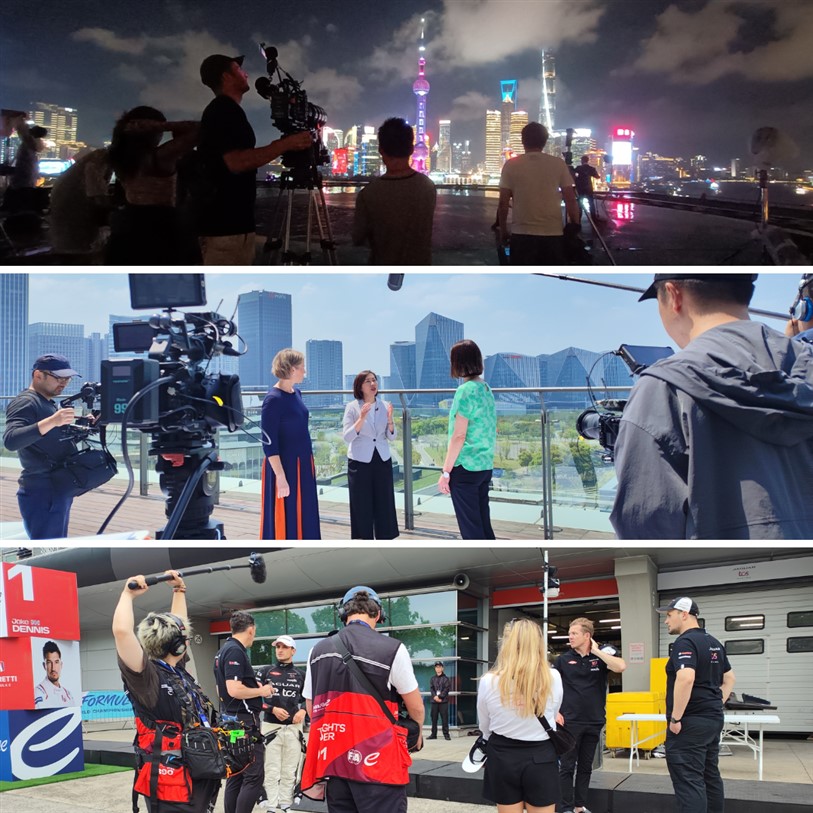
ATA Carnet China Filming Basics: What the System Actually Does
An ATA carnet allows temporary import of professional equipment without paying standard import duties or taxes. For film productions, it primarily applies to cameras, lenses, lighting systems, audio gear, and technical accessories.
However, the carnet itself does not guarantee smooth entry.
Operational realities include:
- Customs officers review equipment lists against physical inventory.
- Serial numbers must match documentation precisely.
- Local interpretation of rules can vary by port of entry.
The carnet simplifies tax treatment but does not replace other requirements such as filming permits, insurance declarations, or security reviews.
Understanding this distinction prevents unrealistic expectations about frictionless equipment entry.
When ATA Carnet China Filming Makes Sense — And When It Does Not
Shipping gear into China is often driven by creative preference rather than logistical logic. Producers should evaluate whether importing equipment actually reduces risk.
Carnet workflows are most effective when:
- The project requires specialized or proprietary camera systems.
- Unique lenses or rigs are unavailable locally.
- A traveling crew maintains a consistent technical workflow across multiple countries.
Local sourcing often becomes more efficient when:
- Equipment rental China options exist in Tier 1 cities.
- Backup equipment availability matters more than brand continuity.
- Shooting timelines are compressed.
Many international productions assume importing equipment saves cost. In practice, coordination time and customs uncertainty can offset financial benefits.
Customs Entry Workflow for ATA Carnet China Filming
Customs procedures differ from Western expectations. Even with a carnet, equipment inspection can be detailed.
Typical workflow includes:
- Arrival at designated port or airport.
- Presentation of carnet documentation.
- Physical inspection against itemized list.
- Stamping of entry vouchers.
- Temporary release for filming purposes.
Delays often occur when:
- Serial numbers do not match paperwork.
- Equipment lists contain vague descriptions.
- Additional batteries or accessories were added after carnet issuance.
Clear documentation reduces inspection time significantly.
Productions should avoid last-minute gear additions after carnet creation unless documentation is updated properly.
ATA Carnet China Filming and Filming Permits: Separate Systems
A common misunderstanding is assuming that customs clearance enables filming authorization. The carnet applies only to importation, not operational permissions.
Separate approval layers may include:
- Filming permits issued by local authorities
- Drone regulations China compliance
- Location-specific access permissions
Failure to separate these processes leads to scheduling issues. Equipment may arrive successfully while filming authorization remains pending.
Coordination between customs logistics and permit timelines should begin during early pre-production rather than after equipment shipment.
Equipment Strategy: Bring vs Rent in China
Equipment strategy directly affects carnet decisions.
China maintains strong rental ecosystems, particularly in major production hubs. Common camera package China setups and lighting systems are widely available. However, specialty tools may require advance sourcing.
Consider importing when:
- Using experimental technology or prototype gear.
- Shooting across multiple international locations with identical configurations.
- Needing specific lens ecosystems unavailable locally.
Consider renting locally when:
- Backup redundancy is required.
- Cross-city production movement is extensive.
- Equipment replacement speed matters more than brand consistency.
Local rental also reduces risk if flights or cargo shipments experience delays.
Cross-City Production and Carnet Movement Challenges
Once equipment enters China, moving it between cities introduces logistical considerations.
Domestic transportation often requires:
- Transport documentation
- Insurance coverage validation
- Coordination with freight carriers
Air travel between cities may trigger additional security inspections, especially for large battery systems or specialized equipment.
Productions should plan for buffer time during intercity transfers. A carnet does not eliminate domestic compliance procedures.
Working with experienced logistics coordinators prevents delays when moving equipment across provinces.
Timeline Planning and Risk Areas
Carnet-related delays typically arise before or after arrival rather than during shooting days.
Common risk points include:
- Late carnet issuance due to incomplete inventory lists.
- Misalignment between flight schedules and customs processing hours.
- Incorrect carnet validity periods.
Timeline planning recommendations:
- Finalize equipment list early.
- Confirm entry port familiarity with professional equipment.
- Allocate buffer days before principal photography.
China’s large airports generally handle carnets efficiently, but secondary ports may require additional coordination.
Cost Considerations Beyond Customs Fees
While carnets reduce import taxes, they introduce indirect cost layers that affect overall production budget China planning.
Examples include:
- Carnet issuance fees and financial guarantees.
- Freight forwarding coordination.
- Customs broker services.
- Additional insurance coverage for international transport.
Unexpected costs often arise from delays rather than direct fees. Extra hotel nights, crew idle time, or rebooking expenses can exceed carnet processing charges.
Budget planning should include contingency allocations rather than assuming ideal entry conditions.
Special Compliance Scenarios: Drones, Batteries, and Sensitive Equipment
Certain equipment categories introduce extra regulatory complexity during ATA carnet China filming.
Drone systems require:
- Separate operational approval beyond customs clearance.
- Operator licensing compliance.
High-capacity batteries may face transportation restrictions depending on airline or freight regulations.
Sensitive equipment such as broadcast transmitters or specialized communication devices may require additional declarations.
Producers should identify these items during initial planning rather than treating them as standard camera gear.
Crew Workflow Implications and Coordination
Equipment import decisions influence crew structure.
Traveling technical teams often accompany imported gear to maintain setup consistency. However, blending international and local crew requires clear role definition.
Bilingual crew help coordinate communication with customs officials and local authorities during inspections or troubleshooting.
Local line producer China coordination ensures that carnet logistics align with filming schedules, permit approvals, and transportation plans.
Without integrated planning, equipment arrival and shooting readiness can fall out of sync.
Practical Risk Mitigation for ATA Carnet China Filming
Experienced productions adopt a layered approach to risk management:
- Maintain detailed photographic records of packed equipment.
- Carry printed and digital copies of carnet documents.
- Confirm exit procedures in advance to avoid departure delays.
- Avoid equipment substitutions mid-shoot without documentation updates.
Exit procedures are often overlooked. Carnet closure requires customs stamping when leaving China, and failure to complete this step can trigger financial penalties.
Planning exit workflow during pre-production reduces last-minute airport complications.
Key Operational Insights for International Productions
ATA carnet China filming workflows succeed when integrated into broader production planning rather than treated as isolated logistics.
Effective strategies include:
- Evaluating local equipment availability before deciding to import.
- Aligning permit timelines with equipment arrival.
- Building buffer days into schedule and budget.
- Anticipating regional differences in customs familiarity.
China’s infrastructure supports large-scale international productions, but efficiency depends on preparation and realistic expectations.
Understanding how carnet logistics intersect with permits, equipment strategy, and cross-city coordination helps producers maintain schedule control and avoid avoidable disruptions during filming.