Understanding filming permits in China requires more than identifying one approval authority or submitting a simple application. Unlike many Western markets, permissions operate through layered relationships between local government offices, property owners, public security departments, and regional administrative practices. Producers planning filming in China often encounter confusion because the rules are not standardized nationally in the way many expect.
This guide explains how permits function operationally, what approvals Practical productions actually require, and how regional differences influence timeline, risk, and production budget China planning. The focus is on real workflows rather than theoretical policy descriptions.
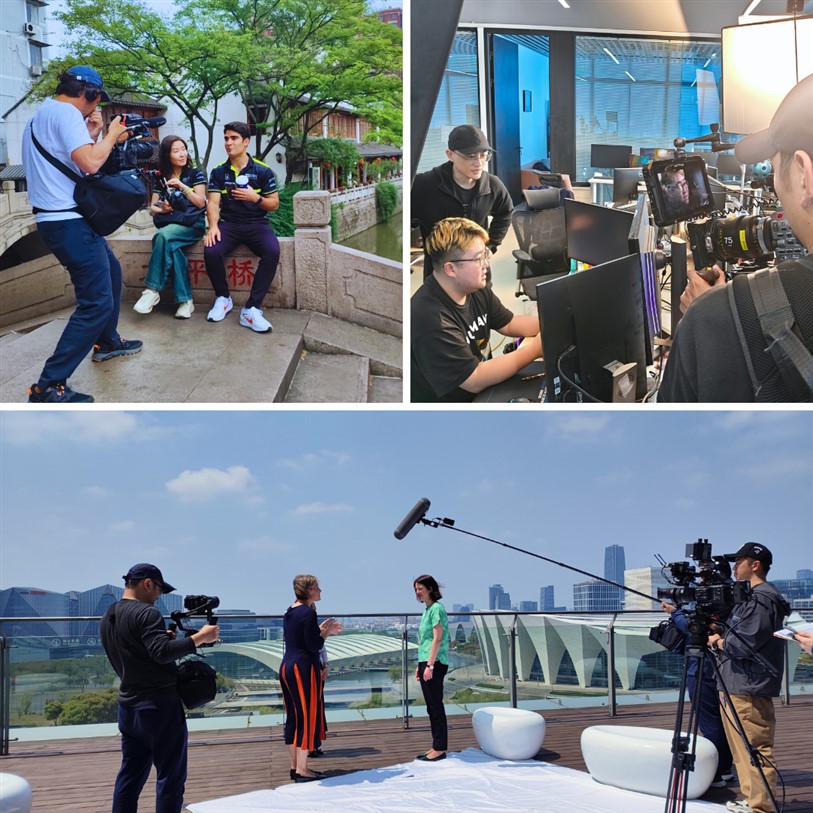
How Filming Permits in China Actually Work in Practice
There is no single universal filming permit that covers all productions nationwide. Instead, approvals are typically situational.
Common permit pathways include:
- Government cultural bureau approvals for narrative or documentary projects
- Local district coordination for public-area filming
- Property-owner permissions for private locations
- Police notification or supervision for public crowd control
Many productions operate under combinations of these layers rather than one official license.
Approval expectations vary depending on:
- Project type (commercial, corporate, documentary, feature)
- Crew size and equipment visibility
- Drone usage
- Traffic control or public disruption
Producers who assume a centralized system often underestimate coordination complexity.
Government vs Private Locations: The Real Difference
A critical distinction in filming permits in China lies between government-managed locations and privately controlled spaces.
Government-managed sites include:
- Historical landmarks
- Public squares or infrastructure
- Transport hubs
- Official cultural venues
These typically require formal application processes and longer lead times. Multiple departments may review scripts, schedules, and safety plans.
Private locations such as offices, restaurants, or studios often allow faster access. However, local authorities may still require notification depending on scale or equipment.
Many international productions underestimate how local neighborhood committees or district-level administrators influence approvals. Even private venues sometimes require informal coordination to avoid interruption.
Public Filming Grey Areas and Practical Enforcement
Public filming occupies a grey zone in many cities. Small crews working discreetly may operate without formal permits. However, enforcement varies significantly.
Factors influencing enforcement include:
- Camera size and professional appearance
- Tripods, lighting setups, or crowd management
- Presence of foreign crew
- Sensitive locations
A lightweight camera package China setup often reduces attention. Larger productions attract scrutiny regardless of location type.
Police interaction usually focuses on safety and crowd management rather than creative content. Still, documentation prepared in advance helps avoid delays.
Experienced line producer China coordination reduces risk by clarifying expectations with local authorities before shooting days.
Regional Differences in Filming Permit Enforcement
China does not operate as a single regulatory environment. Regional culture and administrative style significantly affect filming permits.
Examples:
- Tier 1 cities like Shanghai or Beijing maintain structured approval channels but may enforce rules more consistently.
- Secondary cities can offer flexibility but require relationship-driven coordination.
- Tourist-heavy areas may implement stricter supervision during peak seasons.
Local government priorities influence workflow. A region promoting creative industries may facilitate faster approvals compared with areas focused on security or infrastructure development.
Cross-city production requires reassessment of permit strategy in each location. Approvals rarely transfer automatically across provinces.
Timeline Planning for Filming Permits in China
Timeline compression is one of the most common risks when filming in China. Approval timelines depend less on written rules and more on coordination speed between departments.
Typical timeline considerations:
- Government approvals may require one to three weeks, sometimes longer for scripted work.
- Drone regulations China approval can introduce additional delays.
- Public safety notifications often require advance scheduling.
Producers benefit from submitting simplified project summaries rather than overly detailed proposals early in the process. Authorities prioritize clarity over complexity.
Buffer days should be built into schedules. Many productions fail by planning permits around minimum timelines instead of realistic coordination periods.
Drone Regulations China: A Separate Permit Layer
Drone usage introduces its own compliance structure. Unlike handheld filming, drone operations often require:
- Licensed operators
- Airspace approval
- Equipment registration
Urban airspace restrictions can vary significantly between districts. Even within one city, approval conditions may change depending on proximity to government buildings or transportation infrastructure.
Foreign drone operators may face additional administrative steps compared with local licensed pilots.
Drone permits should be treated as independent from general filming permits in China. Planning them as a secondary task often leads to delays.
Production Logistics China: Crew and Equipment Implications
Permit planning directly affects equipment strategy and crew structure.
Operational realities include:
- Larger lighting setups increase visibility and may require formal approvals.
- Road closures or traffic impact trigger additional administrative layers.
- Equipment rental China sourcing reduces customs complexity but may require local vendor documentation.
Bilingual crew significantly reduce risk during permit inspections or on-site questions from authorities. Miscommunication during enforcement interactions can escalate minor issues into delays.
Producers often focus on creative decisions first, but early alignment between technical requirements and permit strategy prevents last-minute compromises.
Special Compliance Considerations for Certain Industries
Industry-specific projects introduce additional approval layers beyond standard filming permits.
Examples include:
Factory or Industrial Shoots
Confidentiality agreements and safety training are common. Access may require coordination with local regulators or security departments.
Automotive Filming
Road closures or moving vehicle shots require traffic bureau involvement. Even controlled environments may need formal documentation.
Luxury Brand Projects
Location sensitivity and public image considerations influence permit approvals. Authorities sometimes review brand representation in public spaces.
Cleanroom or Technical Environments
Special protective equipment rules may affect crew size and equipment selection.
Each vertical introduces indirect costs through extended planning timelines.
Cross-City Production: Permit Reset Reality
Many international productions underestimate how frequently permits must be rebuilt when moving between cities.
Cross-city production typically involves:
- New location approvals
- Separate police notifications
- Local coordination teams
- Transportation permits for specialized equipment
High-speed rail and flights make physical movement fast, but administrative resets remain unavoidable.
Strategic planning often groups filming days geographically to minimize permit duplication.
Risk Mitigation Strategies for Filming Permits in China
Permit challenges rarely appear as outright refusals. More often, projects encounter gradual delays or unexpected restrictions.
Practical mitigation strategies include:
- Scout locations early with local advisors.
- Prepare simplified Chinese-language project summaries.
- Maintain flexible shot lists.
- Identify backup locations.
Relationship-building with local authorities improves workflow consistency. Clear communication reduces misunderstandings that arise from cultural differences in project presentation.
Budget Considerations Linked to Permit Strategy
Permit planning influences production budget China outcomes in indirect ways.
Key cost drivers include:
- Administrative coordination time
- Translation and documentation preparation
- Schedule buffers
- Additional crew days caused by approval delays
Government permits themselves are not always the primary expense. Instead, the hidden cost comes from lost shooting efficiency.
Planning permit strategy alongside creative design helps align expectations between production teams and local administrative reality.
Practical Takeaways for International Producers
Filming permits in China operate through layered coordination rather than single approvals. Understanding local enforcement culture matters as much as understanding written regulations.
Successful productions:
- Treat permits as workflow planning rather than paperwork.
- Engage local coordination early.
- Align equipment choices with approval expectations.
- Build timeline buffers to absorb administrative variability.
China offers strong infrastructure and experienced crew networks. However, operational success depends on adapting to regional administrative systems and approaching permit planning as a strategic component of production design rather than a final step before shooting.