China Video Production HouseFull Production Services in China. China Film Production Support: Camera Crew, Fixer, Producer, Location Scout, Remote Shooting, Casting.
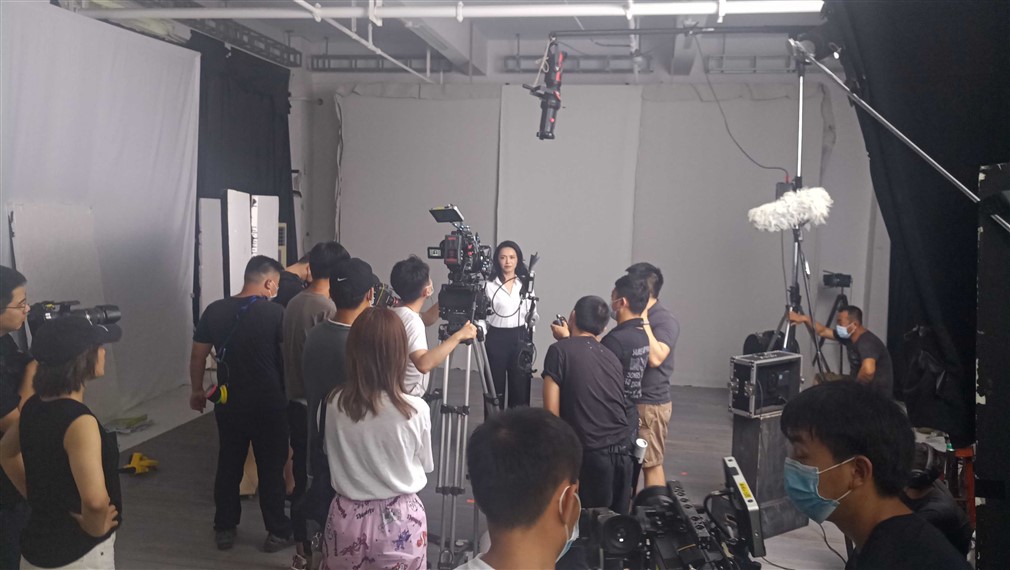
Commercial Production Support in China ? We had chance to work with the famous fashion photographer Tom Munro last year, further more, the shooting was feature famous Chinese actress Yao Chen. This commercial was shot in three different cities around the world, and for China part, we were shooting with Yao Chen in Sanya, Hainan island, the place is famous for it’s four season tropical weather, we felt so lucky to be part of this project.
Remote Shooting between 3 cities
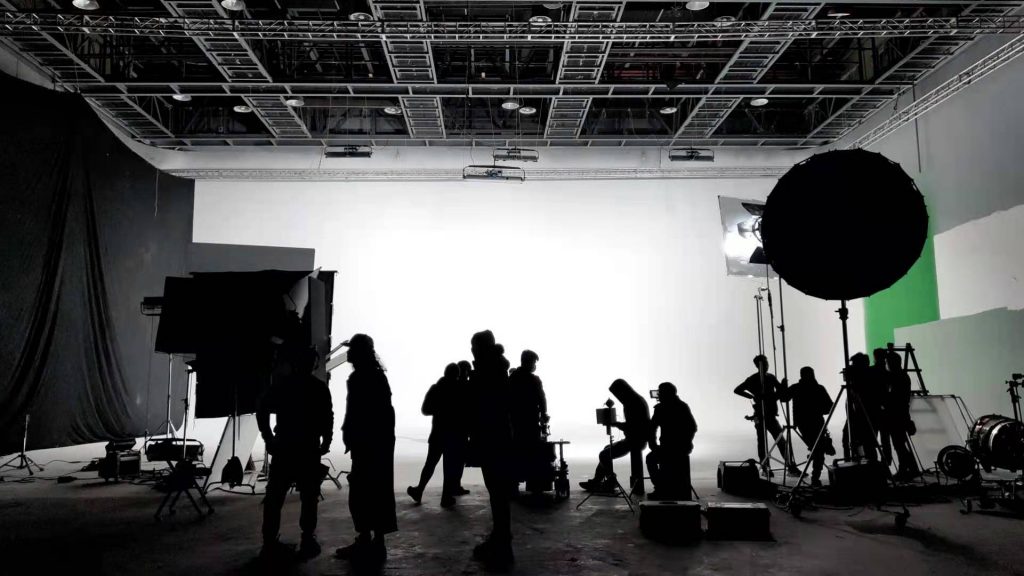
The whole production was done in a studio, the black and white color makes it easy for the different cities footage look similar. We were in charge of the whole China part, shooting everything remotely with the director. Yaochen and her team are very easy to work with, and we managed to finish the whole shoot on time.
The final work looks really cool, the director Tom Munro should take all the credit.Shoot everything in a studio in Sanya Hainan.We hired a double for Yaochen even though she appears every time we hope she’s on set.
We provide production services across China, whether you need our commercial production support in China, for part of your project, or looking for full production in China, we have the experience and network to make it happen.
About us:
Established in 2011, [SIC] is teh result of a 15 year partnership between producers Clark Wang and Matt Clarke (no relation). We set up Shoot in China to utilise the knowledge and experience gained from working with local and international production houses across China, with the aim of providing a higher quality, better value service for international clients.
Over the last decade we’ve delivered more than 1600 projects, ranging from high end TVC, film and documentary shoots to simple one day shoots, equipment rentals and logistical support for visiting crews.
We are very proud to work with one of the famous director Per-Hampus Stålhandske from Sweden, this new film for Westin is very nicely shot and edited together beautifully, the whole film was shot remotely between China, Sweden, with the company of clients from Hong Kong and New York, we didn’t think it was going to be easy, but with the great communication ahead of the production, we pulled it off smoothly in the end.
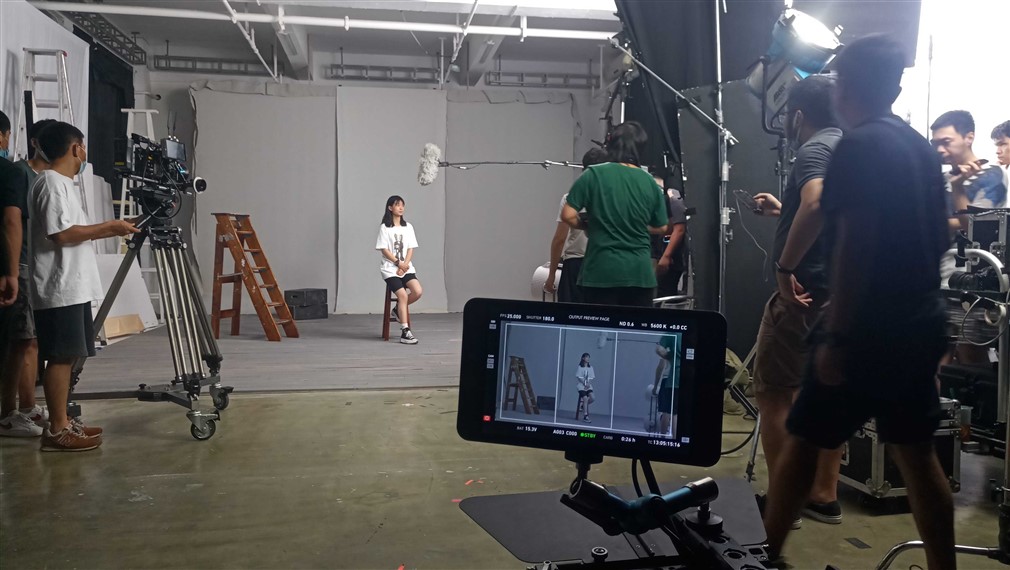
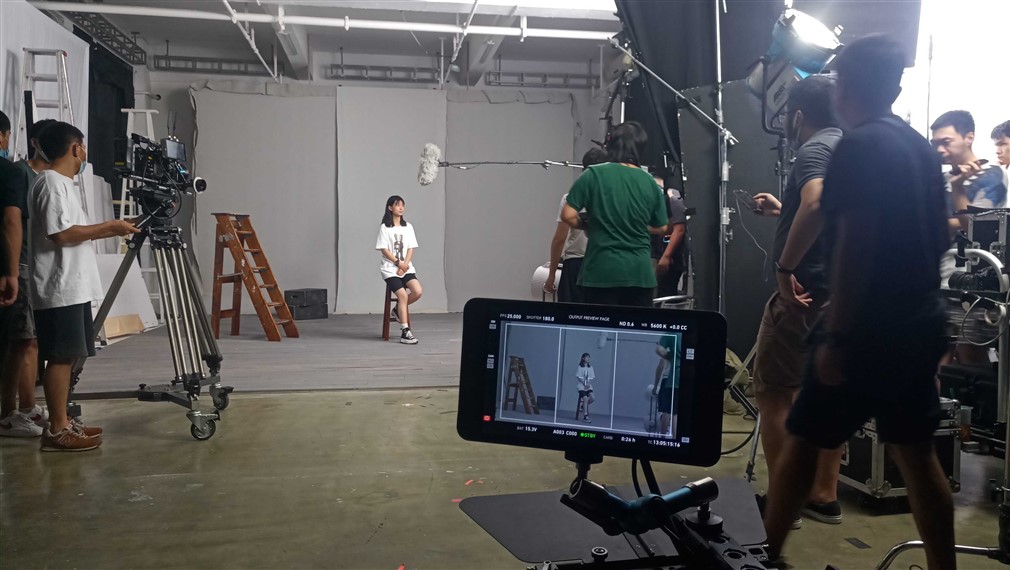
This film was filmed in Shanghai, Nanjing, Sanya, three locations, to present the audience that Westin Hotel is a warm, yet comfortable place to stay, we did many rounds of casting to find the talents, at the same time, we spent a few weeks on locking down the locations in different cities of China.
Production Company: Shoot In China, Director: Per-Hampus Stålhandske DOP: Kenny Du AD: Ronnie Wu Producer: Paige Demarco, Clark Wang, Production Coordinator: Matt Clarke 2nd Producer: Natalie AMBARNIKOVA Production Manager: Leon Chen, Circle Lee, Gaffer: Huang Jun 1st AC: Guozheng FPV: Andrew Gui Drone Light: Feng Yi Trinity: Zhong BoTai Makeup/Wardrobe: Lisa Yue Photographer: Una Zhu
China remote shooting can be challenging due to the long distance and internet issues, we shared the how to remote shooting in China couple weeks ago, as we thought that’s not enough tips for those who want to shoot in China, so today we listed 10 tips that will help your remote shooting in China.
China Remote Shooting
Time needed: 30 minutes
The following tips will help your remote shooting in China, whether it’s in Shanghai Beijing Shenzhen Hong Kong, or other area in China, it’s always good to check these tips before you contact the production company in China.
A clear brief of your production is the most important thing to start with
This tips not only apply to shoot in China, but also anywhere else in the world, having a clear idea of what you want to achieve during your production in China is essential, no only the production company in China will know what exactly you want to achieve here, but also give yourself an idea of the work amount.
To start with, it’s good to pencil in these info: When is your shooting? Where is your shooting? How many days is your production? What level of production is this? Is this a corporate video or a commercial? How many film crew would you consider hiring for the shoot? Who will be join the remote shooting? Is there any celebrities involved? What software would you require for the remote shooting? Or the question can be: What would you like to achieve during the remote shooting? Live plaback, sound monitoring, applying luts on the monitor? Etc
Having the info above will be very useful for your first communications.
A reference is always the shortcut for communicating the production
You have to admit that no matter how good your description is, the reference will always win when it comes to communicating the idea, especially in the video production. Prepare a few reference will make sure everyone involved understsand what you and your client want to achieve. Remote shooting requires good communication, not only verbal meetings, but also the both parties interaction on the ideas, this will help you to build the bond before the actual shooting, at the same time, the visual reference will help your partners in China budget more correctly.
A timetable for the production
When you try to do remote shooting in China, it’s easy to lose track of the progress, adding the time difference will make the communication more complicated. Not everybody is organized like you, so having a timetable that everyone can view will help them to aware the progress. We really recommand to use these software to keep track of your progress: Google Calender: It’s free and it’s quite easy to use, and available on Mobile&Desktop Trello: Having a great kanban software can cover a lot of details of your production task.
A good indication of your budget will save your time
The idea of getting your budget estimate is not worth your waiting time, when you are running a remote shooting, it’s very important to save this process, rather than waiting for your local production house quote on your project, you should come up with a top limit figure for your project, so that the local production company can immediately tell you whether it’s workable or not. Having the direct approach on the budget will save you a lot of your time, at the same time, your local production company will appreciate the direct approach, this will already start your conversation way ahead since the budget is already half way there.
Test Everything is the best practice when it comes to remote shooting
You never know what would happen in the production, well when it’s remote shooting, this theory works too. Always test everything before you start your production, here is a list of things you should test for your shoot: -Internet, whether it’s 4G/5G or WIFI, consider having a cable network as it’s the most stable network; -Locations, if you are shooting in a studio, make sure you pre-build the set, and nothing waste more time than fixing the set issues, walk through everything in the studio is always a good idea; if you are shooting outdoor content, make sure you know where you are going and the place is filming friendly, or locals aware that you will be filming that day, so you don’t have to encounter any permit issues; -Talents, we have done a few shooting in 2020 during Covid with celebrities, it’s definetly better to have all your style related issues out of the way before the shooting day, you want to save all your time on the production, not discuss the wardrobe&style on set; -Test your shooting, it’s worth to test everything if budget and time allows, you can run through the shoot with the remote film crews for everything, this makes the real shoot much easier and almost bullet proof.
A communication software is never enough
When it comes to communication software, you shouldn’t rely on one, as the Chinese internet is not very friendly towards the website and software, You should prepare at least two: Zoom, Skype, Microsoft Team, Wechat, Whatsapp, Google Voice, And more if you think the software above doesn’t work.
Less long Meetings, More Short Meetings
Long meetings are very time consuming, and time is the most important thing in life, if you want to convince your remote crew that you have everything under control, shorter meeting will make things different, because in short meetings, people tend to focus more on what you want to communicate, the long meetings on the other hand, is relatively easier to lose people’s attention, thus it’s way better to keep your meeting short and effective, and have them more often, so make the team aware that you are easy to access to.
Final shot list should be the final, at least close to it
Before you start your shooting, especially remote shooting, you should finalize your shot list, if not, it’s going to create a lot of communication issues, as any changes that’s not fully elabrate with the team will be a issue, and it will cost a lot of time, so if you try to make your remote shoot more efficient, it’s the best to keep your final shot list as it is, or not too far from what you would want to achieve.
Film Crew and Film Equipment Insurance is good to have
It’s never a bad thing to have your film crew and film equipment in insurance, not all the Chinese film crew will have insurance themselves, so it’s a good idea to cover them, it’s not very expensive to have insurance, and it will be a great support if there is any accident occurs during the filming.
Hire your bilingual assistant director/producer early, the earlier the better
With all the tips above given, we still think the best asset on remote shooting is the producer, there are some great assistant directors options in China, and having them on-board will save you a lot of time on planning, and this assistant director/producer will be your onsite manager, the earlier you have someone like this to help, the more communication time you will have, thus will be time saving for your whole project.
If you are still in doubt with how to do remote shooting in China, we are here to help:
Shooting in China remotely requires more than one stable solutions, over the 2020 COVID-19 pandemic, we have been helping a lot of clients with their projects in China, offering the China remote shooting solutions to achieve their project success, we are here to share some tips today about what we been doing so you can save some time when you are in the similar situations.
Shooting in China remotely, whether it’s in a studio or external locations, requires more than software and network.
Latency is always you enemy when it comes to Remote Shooting
Having huge latency is problematic for the production, when your remote crews are on set, hearing your voice after few seconds can be confusing and time consuming, what you really want is the no-latency solutions, we really recommand our clients to keep the options open, while using the ZOOM, you also need to have something back up, such as wechat/whatsapp, or microsoft team, blue jeans, whatever as a backup for texting if the voice chatting platform performs badly.
China has 5G network, so it’s usually quite easy to set up the onsite hotspot for your crews, however, you always want to use the wifi as much as possible, in this case, WIFI will work better most of the time because it comes from the cable network, which means it outperforms the roaming network.
We helped our clients setup this project in 2019, while the COVID-19 didn’t happen, through remote communication, our clients shot this whole video successfully.
Communication can be messy, keep it short and limited
Throughout the whole year, our remote shooting projects all use this rule, that we only keep limited access to the channel, only 1-3 persons are allows to access from the crew side, make it easy for information to spread through the 1-3 persons on site, same thing should be applied to the clients, only director and key clients should be able to talk back on the channel with the crew, this way, we keep the information with the essential members.
We also understand that there are many different situations in different project, if clients have a lot of people need to oversee the production, they should be on the ZOOM but they should keep mute, or open a separate channel for director and clients only, so they can keep the discussion private and not distracting the local crews.
Beijing remote shooting showcase
Video monitoring on site solutions
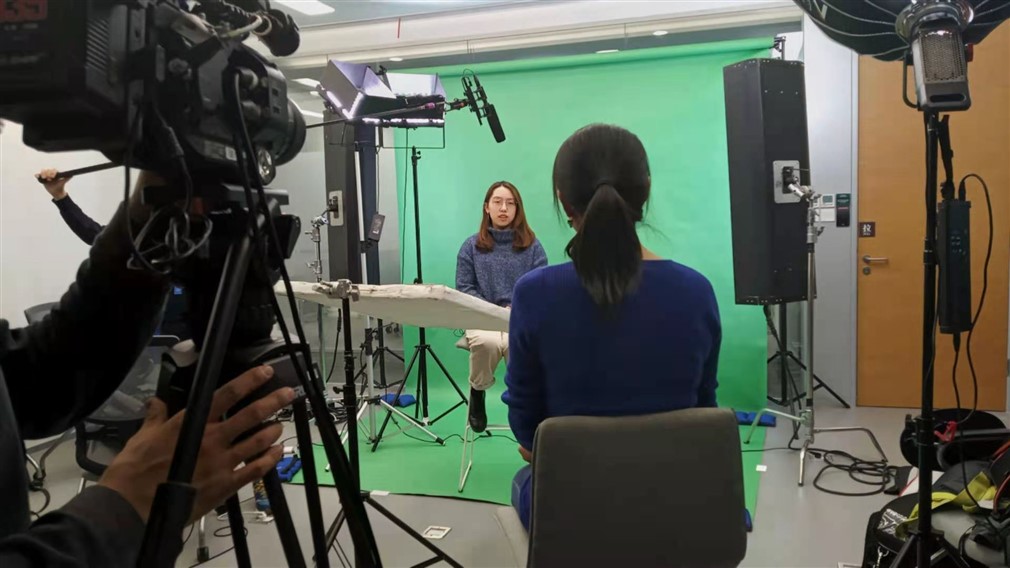
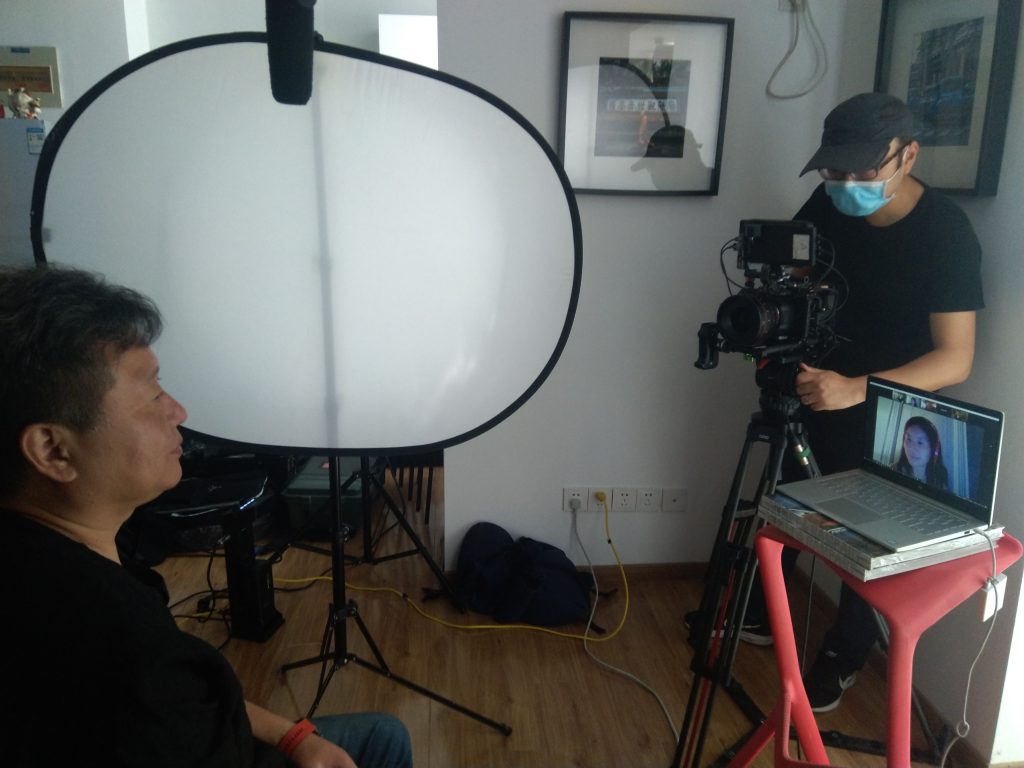
While a lot of people think monitoring the 4K or 6K is tricky, we have achieved most of monitoring through IM platform and Qtake monitor, these applications transmit the signal from the camera directly and in good times, it won’t have huge delay, keep everyone on the same page.
Having Rehearsal is always better
Whether you are shooting with the celebrity or some talents, we find it so much better to have a rehearsal day, by doing everything once before the shooting day, you make sure everything on set is ready, and shots are all cleared with the camera crews and on site assistant directors, more over, you can test your network in the same situation, so you know which set up works better for you.
Full production remote shooting in China during 2020 COVID-19, we flew major crews from Shanghai & Beijing to Sanya Hainan, work with the famous actress Yaochen
Bilingual, Native Language Assistant Director & Cameraman
You need bilingual or native language crews for your shoot in China, we have a solid team that speaks good English and also native English producers that can join the communication to assist the shoot.
Bilingual film crews are not translators, as film crews hands on the production and they need to work fast to catch up the pace during the day, at the same time, they also need to talk back to the clients & director for communications.
The project we shot in 2020 for BBC, a travel promo video for Nanjing Jiangsu government.
This project was 100% shot remotely with our crews in China, and director, producer were in the USA.
This is another great work from the clients, while shot by our camera crews in China.
Last but not least: Positive attitude
That’s everything we find useful when it comes to remote shooting, we find it very useful when you keep the communication as early as possible, keep everyone on the project positive about the project is important, so everyone can have a good vibe on the shooting day.
We are far from the production super star level, but we hope our experience can help your next project in China.