The decision between local crew vs fly in crew China is rarely about preference alone. It shapes production logistics China planning, permit coordination, budget exposure, and schedule reliability. For producers filming in China, crew structure directly affects regulatory workflow, equipment strategy, and cross-city execution.
Some projects require creative continuity from traveling department heads. Others benefit from local operational expertise and bilingual coordination. This guide breaks down how both models function in real production environments and where each approach creates measurable advantages or risk.
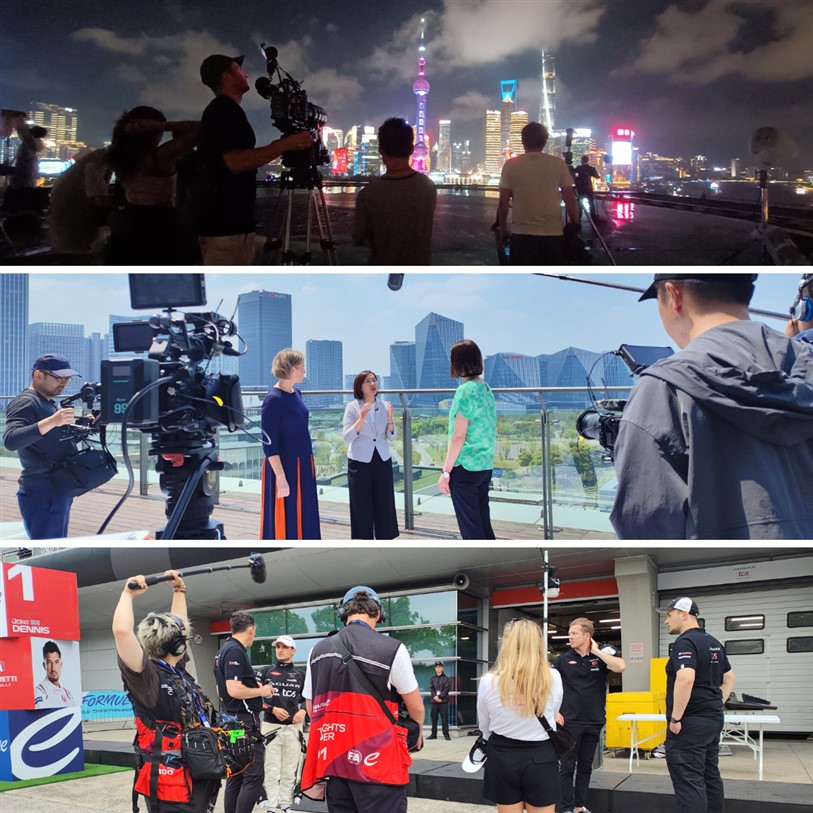
Local Crew vs Fly In Crew China: Structural Differences on the Ground
At a surface level, the comparison appears straightforward: local teams reduce travel cost, international crews maintain creative continuity. In practice, operational complexity drives the decision.
Local crew advantages:
- Immediate familiarity with regional filming permits
- Established vendor networks
- Faster coordination with local authorities
- Integrated understanding of production logistics China
Fly-in crew advantages:
- Creative consistency across global campaigns
- Familiar team dynamics
- Direct alignment with agency expectations
However, foreign crews often require additional local coordination layers to function efficiently. Even when department heads travel, productions typically rely on local assistants, fixers, and line producer China support to navigate administrative realities.
Budget Impact: Where Costs Actually Accumulate
Financial comparison should go beyond daily rates.
When flying in crew, additional budget layers include:
- International flights
- Accommodation and per diem
- Work visa coordination
- Insurance extensions
- Carnet and equipment freight if traveling with gear
Local crew structures typically reduce travel overhead but may introduce extended prep time if creative alignment is not clear.
Production budget China planning should model full cost scenarios rather than comparing base rates alone.
In many cases, hybrid structures prove most efficient: key creatives travel, core technical departments remain local.
Permit and Compliance Implications
Crew choice affects filming permits more than many expect.
Local teams:
- Understand district-level enforcement culture
- Anticipate documentation expectations
- Communicate directly with local authorities
Fly-in teams:
- May require additional administrative briefings
- Often depend on translators or bilingual crew
- Increase visibility of foreign production presence
Certain locations treat foreign crews with additional scrutiny, especially for sensitive areas or government-managed sites.
In complex environments, experienced local coordination reduces friction during permit inspections or police interaction.
Equipment Strategy: Bring Your Team, Bring Your Gear?
Crew structure influences equipment decisions.
Fly-in crews often prefer familiar camera systems or accessories. This can trigger ATA carnet China processes or international freight coordination.
Local crew models usually rely on equipment rental China networks. Tier 1 cities provide broad access to camera package China options, including mainstream cinema systems.
Considerations when flying in crew:
- Importing specialty lenses
- Matching international technical standards
- Managing customs clearance timelines
Considerations when hiring local crew:
- Availability of backup equipment
- Regional inventory limitations in smaller cities
- Integration with existing vendor relationships
Equipment decisions should align with crew structure rather than being treated independently.
Cross-City Production and Mobility Factors
China’s geography introduces another layer to the local crew vs fly in crew China decision.
Cross-city production often involves:
- Domestic flights or high-speed rail transfers
- Permit resets in new jurisdictions
- Rebuilding technical teams locally
Flying in a full international crew across multiple cities increases cost rapidly. Domestic travel within China is efficient but requires planning for equipment transport, especially batteries or lighting systems.
Local crew networks across cities can scale more flexibly. However, maintaining consistent creative direction requires strong central coordination.
For multi-city campaigns, hybrid models often minimize duplication of travel and permit processes.
Language, Workflow, and Communication Risk
Language barriers remain one of the most underestimated factors in filming in China.
Local teams offer:
- Direct communication with vendors and authorities
- Faster problem resolution
- Cultural understanding during negotiations
Fly-in teams may depend on translators or bilingual crew to manage day-to-day coordination.
Communication breakdowns typically impact schedule more than creative output. Misunderstood permit instructions or location restrictions create costly delays.
Bilingual coordination becomes critical when combining international creatives with local technical departments.
Timeline Compression and Execution Speed
Many productions underestimate how quickly China-based crews can mobilize.
Local teams often operate within compressed timelines due to familiarity with:
- Vendor availability cycles
- Permit submission procedures
- Location scouting China workflows
Fly-in crews require advance visa processing and travel coordination. Delays at any stage affect readiness.
If shooting windows are short or tied to weather patterns, local crew deployment reduces risk.
International teams may deliver creative consistency but must adapt to local administrative rhythms.
Industry-Specific Considerations
Certain verticals influence crew decisions differently.
Automotive shoots
Road closures and moving vehicle coordination favor teams familiar with traffic bureau processes.
Factory or industrial filming
Security protocols often require pre-approval of personnel lists. Local crew ease access negotiation.
Luxury brand campaigns
International creatives may be essential for brand continuity, while local teams handle regulatory alignment.
Documentary production
Smaller local crews reduce visibility and simplify permit processes in sensitive environments.
Crew selection should reflect industry compliance complexity as much as creative needs.
Risk Mitigation Strategies for Crew Structure Decisions
Risk rarely comes from talent gaps. It arises from coordination friction.
Mitigation approaches include:
- Early technical alignment between local and international department heads.
- Clear documentation outlining roles and reporting structure.
- Backup crew planning for illness or travel disruptions.
- Parallel permit applications when cross-city production is involved.
Hybrid models reduce single-point failure. For example, flying in a cinematographer while maintaining a local camera team provides redundancy.
Planning should address worst-case scenarios, not only ideal creative alignment.
Cultural Expectations and Set Dynamics
Production culture differs subtly between regions.
Local crews:
- May operate within hierarchical structures.
- Expect clear decision channels.
- Prioritize efficiency under compressed schedules.
International crews:
- Often bring collaborative creative culture.
- Expect flexible experimentation.
Alignment meetings before shoot days improve cohesion. Clear leadership roles reduce confusion.
Understanding these dynamics improves on-set efficiency regardless of crew origin.
When to Choose Local Crew vs Fly In Crew China
The decision depends on project priorities.
Choose primarily local crew when:
- Budget sensitivity is high.
- Multi-city logistics are complex.
- Permit coordination is critical.
- Shooting schedule is compressed.
Choose primarily fly-in crew when:
- Creative continuity across global markets is essential.
- Proprietary technical systems are required.
- Agency mandates specific personnel.
Most productions find balanced value in hybrid approaches.
Final Operational Perspective
The local crew vs fly in crew China decision is not ideological. It is structural.
Producers filming in China must weigh creative consistency against regulatory efficiency, travel cost against administrative speed, and equipment familiarity against logistical simplicity.
China offers strong technical infrastructure and experienced crew bases. However, production outcomes depend on aligning crew structure with permit complexity, equipment strategy, and cross-city planning.
Approaching the decision strategically rather than emotionally ensures smoother execution and more predictable production results.