Filming in Chongqing offers visual scale and urban complexity rarely found elsewhere in China. Known for layered highways, dense neon districts, steep topography, and riverfront skylines, the city attracts international directors seeking cinematic environments. However, filming in Chongqing requires careful preparation due to terrain constraints, local permitting practices, and logistical differences compared to Tier 1 cities.
This production guide explains real-world workflows, production logistics China considerations, and operational decisions that foreign producers face when planning shoots in Chongqing.
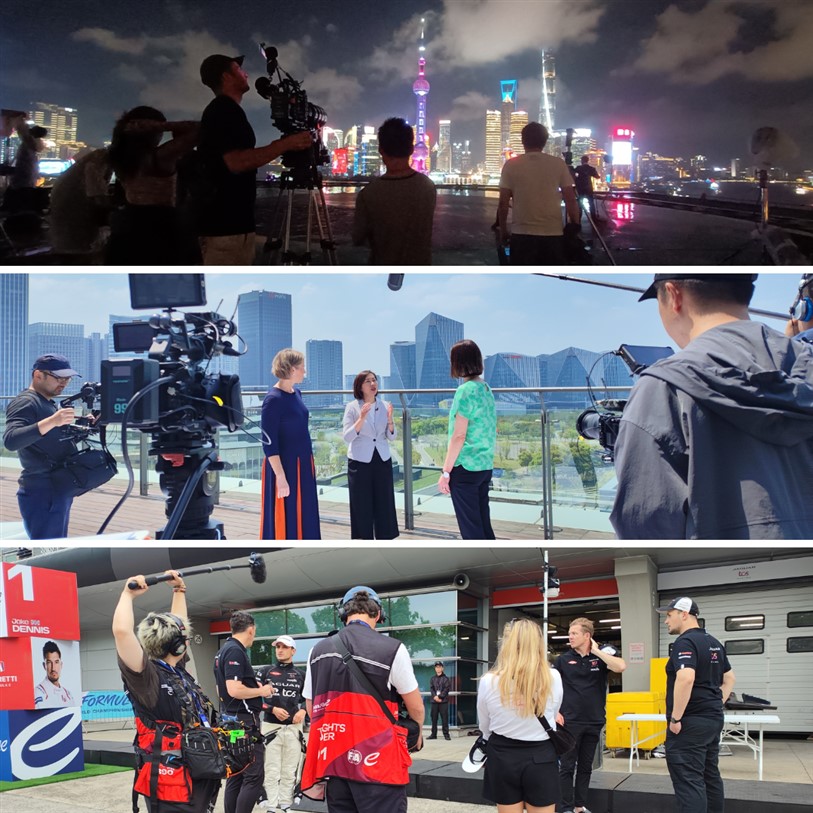
Filming in Chongqing: Why Productions Choose the City
Chongqing’s visual identity is distinct within China. The city blends megacity density with dramatic geography. Vertical construction, foggy atmospheres, elevated rail lines, and hillside neighborhoods create natural cinematic framing without heavy set dressing.
Common project types include:
- Automotive commercials
- Sci-fi and cyberpunk-style visuals
- Corporate industrial films
- Documentaries focused on urbanization or manufacturing
- Streaming and branded content
Despite strong visuals, filming in Chongqing often requires more logistical planning than flat-grid cities like Shanghai.
Filming in Chongqing: Regulatory Layer and Permit Reality
Permitting structures vary depending on location ownership and project profile. Government-managed public areas, commercial districts, and infrastructure zones all follow different approval channels.
Key considerations:
- Public filming without heavy equipment may be tolerated but remains unpredictable.
- Drone regulations China enforcement is stricter around bridges, government buildings, and river corridors.
- Larger productions benefit from early police notification, even if not strictly required.
Private property negotiations often move faster than municipal approvals. Shopping centers, industrial parks, and office complexes usually allow commercial filming with internal permissions rather than city-level filings.
Timeline buffers are essential. Approval speeds vary significantly between districts.
Terrain and Location Logistics: Challenges Unique to Chongqing
Unlike many cities in China, Chongqing’s terrain directly impacts production planning.
Key operational realities:
- Limited flat staging areas for trucks and equipment.
- Elevator access becomes critical for rooftop or high-rise locations.
- Hills and stairs slow equipment movement and crew mobility.
Location scouting China processes should include technical surveys, not just visual checks. Confirm loading zones, power access, and nearby crew holding areas early.
Weather also affects logistics. Fog and humidity can disrupt drone operations and aerial visibility. Rainfall patterns vary seasonally and should influence scheduling.
Equipment Strategy: Bring Gear or Use Local Equipment Rental China
Equipment rental China infrastructure in Chongqing has improved significantly but remains smaller than Beijing or Shanghai markets.
Typical availability:
- Major digital cinema camera packages
- Standard lighting packages
- Grip equipment suitable for commercial productions
More specialized gear, such as high-speed systems or rare lenses, may require shipping from Shanghai or Shenzhen.
Decision factors:
- Multi-city shoots may justify transporting equipment.
- Short local shoots often benefit from local sourcing to avoid ATA carnet China complications.
- Backup gear availability is limited compared to Tier 1 cities, so contingency planning matters.
Lens ecosystems are growing, but niche specialty sets may require advance booking.
Filming in Chongqing: Crew Structure and Coordination
Local crew quality has improved due to increasing domestic production demand. However, communication workflows may differ from Western sets.
Standard structure:
- Line producer China role coordinating permits, crew hiring, and budgeting.
- Department heads often bilingual in larger markets but not guaranteed locally.
- Assistant directors typically manage communication flow between departments.
Foreign crews should expect hierarchical communication patterns. Direct cross-department communication is less common than in Western productions.
Hiring bilingual crew members significantly reduces delays. Translators alone rarely replace experienced bilingual assistants.
Production Budget China Factors Specific to Chongqing
Budgets vary widely based on project scale and location complexity.
Common cost layers include:
- Location access fees negotiated per property owner.
- Police or municipal support costs for traffic control.
- Transportation adjustments due to terrain.
- Crew overtime when moving equipment across steep areas.
Sample budget considerations:
- Smaller local crews may reduce labor costs compared to Tier 1 cities.
- Equipment transport from other cities adds freight and insurance.
- Hotel costs remain moderate compared to Shanghai.
Foreign producers sometimes underestimate logistics costs rather than labor expenses.
Cross-City Production and Travel Access
Chongqing is well-connected but operationally different from coastal hubs.
Transport considerations:
- Direct international flights are fewer than Beijing or Shanghai.
- High-speed rail connections simplify crew movement between Chengdu and Chongqing.
- Airport cargo handling remains efficient but requires clear documentation.
Cross-city production planning often pairs Chongqing with Chengdu or industrial regions in Sichuan.
Equipment shipments arriving via Shanghai may require additional customs coordination.
Filming Permits and Public Shooting Grey Areas
Local enforcement varies by district and project profile.
Observations from production workflows:
- Small documentary-style crews may operate with minimal formal permits.
- Commercial advertising or branded content attracts more scrutiny.
- Visible large-scale setups increase the likelihood of inspections.
Maintaining flexibility is key. Having alternative locations reduces schedule risk.
Government-managed landmarks require advance approval, but residential neighborhoods sometimes provide faster access through property management.
Environmental and Industry-Specific Compliance
Industrial and factory filming is common around Chongqing due to manufacturing density.
Expect:
- Strict confidentiality requirements in factories.
- Personal protective equipment requirements.
- ESG filming compliance expectations from international brands.
Road closures for automotive shoots require coordination with traffic authorities. Unlike purpose-built film zones, urban road closures demand early planning.
Cleanroom filming for biotech or electronics requires additional technical approvals and wardrobe protocols.
Timeline Compression and Production Pace
Chongqing production timelines often compress once permits finalize.
Local vendors move quickly when approvals are confirmed. However, early planning stages may feel slow due to layered approval structures.
Practical scheduling tips:
- Build scouting days into early prep.
- Confirm crew availability before locking locations.
- Schedule heavy exterior shoots around weather forecasts.
Rapid execution becomes possible after pre-production aligns.
When Filming in Chongqing Makes Strategic Sense
Chongqing works best for productions seeking:
- Dense urban visuals with dramatic geography.
- Futuristic or layered city environments.
- Industrial or infrastructure-based storytelling.
- Visual contrast between rivers, mountains, and skyscrapers.
It may be less suitable for productions requiring large flat staging zones or easy heavy equipment access.
Risk Mitigation for Foreign Producers
Key risks include:
- Terrain-related delays.
- Permit uncertainty for certain public areas.
- Communication gaps without bilingual crew.
- Equipment sourcing delays for specialized gear.
Mitigation strategies:
- Hire experienced local line producers.
- Confirm backup locations early.
- Allow buffer time for logistics and travel.
Final Operational Considerations
Filming in Chongqing combines high cinematic value with logistical complexity. Compared to coastal cities, planning must account for terrain, varied permit practices, and evolving infrastructure.
Producers who approach the city with realistic timelines and flexible logistics benefit from strong visuals and cost-effective crew structures. With careful preparation, Chongqing offers one of the most distinctive filming environments available in China today.