Understanding China film production cost structures requires more than comparing daily rates. Budget planning involves regulatory layers, regional logistics, crew structures, and equipment sourcing realities that differ significantly from Western markets. Producers entering China often underestimate administrative complexity while overestimating equipment or crew pricing. This guide outlines real operational factors shaping production budget China planning in 2026, based on how projects actually function on the ground.
Rather than fixed numbers, successful budgeting depends on workflow decisions: city selection, permit scope, cross-border equipment strategy, and local coordination models. The sections below explain how costs accumulate and where producers typically encounter unexpected variables.
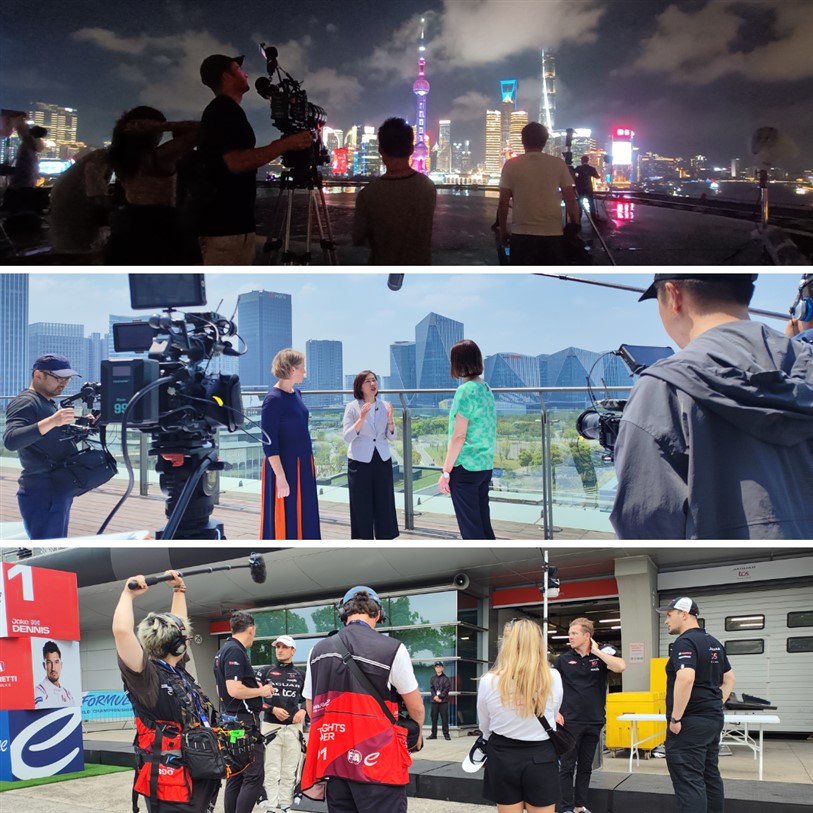
China Film Production Cost Fundamentals: How Budgets Are Structured
Most productions entering China encounter a different cost distribution compared with Europe or North America. Equipment and crew rates can appear competitive, yet operational overhead increases due to compliance and coordination layers.
Core budget components typically include:
- Pre-production logistics and local coordination
- Crew and department structure
- Equipment rental China sourcing
- Locations and permits
- Travel and cross-city production logistics
- Translation and bilingual workflow support
- Insurance and administrative compliance
A line producer China role often becomes central to managing these layers. Without strong local coordination, administrative costs escalate through delays rather than direct expenses.
Crew Structure and Labor Cost Realities
Crew pricing varies widely by city tier and project scale. Tier 1 markets such as Shanghai, Beijing, Shenzhen, and Hong Kong maintain larger professional ecosystems, which influences both availability and pricing stability.
Typical considerations:
- Senior cinematography and technical roles follow international rate structures.
- Mid-level crew rates are often competitive but fluctuate with demand cycles.
- Specialized bilingual crew add value through communication efficiency rather than simple translation.
Producers unfamiliar with local hierarchy may underestimate coordination roles. Assistant directors, production coordinators, and fixers often carry heavier responsibilities compared to Western productions because of regulatory interaction and vendor negotiation.
Crew efficiency directly impacts China film production cost. A smaller but experienced bilingual team can reduce location delays and permit complications.
Equipment Rental China vs Shipping: Decision Tradeoffs
China has a strong equipment ecosystem in major cities, particularly for mainstream cinema packages. Camera package China availability includes common systems used for commercial and narrative production. However, availability varies between Tier 1 and Tier 2 markets.
Key factors affecting cost:
- Local rental reduces customs complexity and import risk.
- Specialized lenses or niche accessories may require advance sourcing.
- Backup equipment planning is essential in regions with limited inventory.
Shipping gear with an ATA carnet China entry can work for specialized builds, but it adds:
- Customs clearance time
- Carnet handling fees
- Potential inspection delays
Local rental often becomes cost-effective unless proprietary equipment is required.
Permit Structures and Regulatory Cost Layers
Filming permits represent one of the least predictable areas for budgeting. Unlike standardized systems elsewhere, enforcement varies across regions and project types.
Common variables include:
- Government vs private location permissions
- Police notification requirements
- Drone regulations China compliance
- Public filming grey areas
Government-managed locations may involve layered approvals from multiple authorities. Even private venues sometimes require local district notification.
Drone filming introduces additional administrative steps, including operator certification and airspace review. Approval timelines vary widely, so budgeting should include contingency buffers rather than fixed assumptions.
Permit delays create indirect costs through crew idle time and rescheduling.
Cross-City Production Logistics and Travel Costs
China’s geography makes cross-city production planning both efficient and complex. High-speed rail networks and domestic flights allow fast movement, yet administrative resets occur when entering new jurisdictions.
Factors influencing cost:
- Different permit frameworks between provinces
- Equipment transport logistics
- Hotel and travel pricing volatility
- Local crew integration vs traveling crew
Many productions adopt hybrid models:
- Core department heads travel between cities.
- Local crew supplement the team in each region.
This approach reduces travel expenses but increases coordination demands. Budgeting must account for rehearsal days or technical prep when integrating new local teams.
Location Scouting China and Regional Pricing Differences
Location scouting China involves both creative and regulatory considerations. Urban density, public access rules, and local government attitudes toward filming affect costs.
Typical regional differences include:
- Tier 1 cities offer extensive infrastructure but higher location fees.
- Emerging production hubs may provide more flexibility but require additional logistical planning.
- Industrial or factory locations often involve security protocols and confidentiality agreements.
Scouting expenses should include translation, technical surveys, and advance permit discussions. Early scouting reduces risk of late-stage restrictions that trigger expensive reconfiguration.
Budget Compression and Timeline Realities
International productions often assume flexible timelines. In China, compressed schedules are common due to permit windows, location availability, or coordination between agencies.
Timeline compression affects costs through:
- Overtime for crew and transport
- Additional rehearsal or tech setup days
- Parallel departments operating simultaneously
Local teams often excel at rapid deployment, but compressed schedules require precise pre-production. Misalignment between creative planning and regulatory approval timelines creates cascading expenses.
Producers should prioritize early documentation submission and realistic shooting ratios.
Administrative and Financial Considerations Unique to China
Financial workflows differ from many Western production markets. Budget planning should anticipate administrative layers beyond direct production spending.
Typical cost-related factors include:
- Invoicing and tax structures varying by vendor type
- Advance payment requirements
- Currency conversion planning
- Insurance compliance expectations
Payment scheduling impacts supplier availability. Some vendors prioritize confirmed deposits due to cash flow practices within local markets.
Cross-border financial planning can also affect total China film production cost through exchange rate exposure or banking timelines.
Risk Management and Contingency Planning
Risk mitigation remains one of the most overlooked budgeting areas when filming in China. Common challenges include weather variability, regulatory shifts, or sudden location restrictions.
Effective contingency planning includes:
- Backup indoor locations
- Alternative equipment sources
- Flexible shooting schedules
- Additional translation or compliance support
Risk costs rarely appear as standalone line items but emerge through rescheduling or additional crew days. Experienced production planning allocates buffers rather than aiming for minimal budgets.
Practical Line-Item Budgeting Logic
While exact pricing varies, producers should think in cost layers rather than single numbers. A simplified example might include:
Pre-production
- Line producer China coordination
- Location scouting and permits
- Casting or talent coordination
Production
- Crew daily rates
- Equipment rental or import handling
- Transport and accommodation
- Location fees and permits
Post-production or wrap
- Data management and backups
- Insurance documentation
- Equipment returns and inspections
Each layer interacts with regulatory and logistical factors. Understanding these relationships prevents under-budgeting.
Final Observations for Planning China Film Production Cost in 2026
The biggest budgeting challenge is not daily rates but system complexity. Producers familiar with international workflows must adapt to local administrative rhythms, regional differences, and communication dynamics.
Realistic planning emphasizes:
- Strong local coordination
- Early permit engagement
- Flexible equipment strategy
- Cross-city logistics awareness
China remains highly capable for large-scale and agile productions. However, success depends on understanding operational structure rather than relying on headline cost comparisons.
Careful planning reduces uncertainty and allows teams to leverage local strengths while maintaining predictable production outcomes.