Selecting the right anamorphic lens rental China option involves more than checking brand availability. Anamorphic workflows introduce framing considerations, camera compatibility questions, focus discipline, lighting adjustments, and transport logistics. For international teams filming in China, lens selection must align with regional inventory realities and production logistics China planning.
This guide outlines what is realistically available across major cities, how to structure lens strategy, and how to avoid common operational mistakes when shooting anamorphic in China.
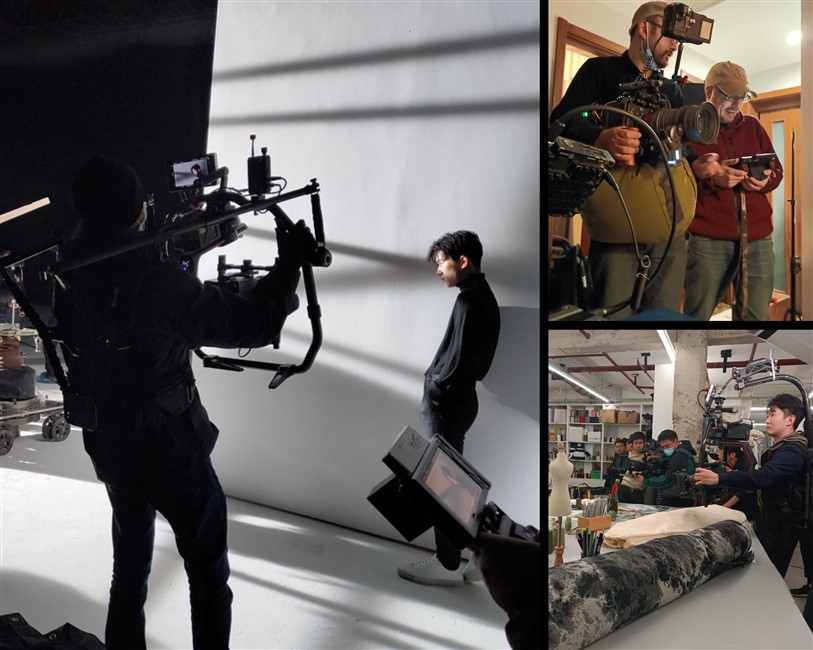
Anamorphic Lens Rental China: What Is Actually in Stock?
China’s Tier 1 cities maintain strong inventory pools for premium anamorphic glass.
Commonly available in Shanghai and Beijing:
- ARRI Master Anamorphic
- Cooke Anamorphic/i
- Atlas Orion
- Vantage Hawk
- Kowa vintage sets (limited availability)
Shenzhen and Guangzhou offer growing commercial inventory.
Tier 2 cities often rely on cross-city shipping from Shanghai or Beijing.
Before confirming availability, producers should verify:
- Full focal range consistency
- Matching lens sets (same series and generation)
- Mount compatibility with chosen camera body
- Close-focus performance
Inventory fluctuates due to high demand for feature and commercial projects.
Early reservation is critical.
Optical Strategy: Matching Lens to Project Type
Not all anamorphic lenses serve the same visual purpose.
Master Anamorphic lenses offer:
- Clean optics
- Controlled flare
- Minimal distortion
Vintage anamorphic lenses provide:
- Character-driven flares
- Edge softness
- Oval bokeh artifacts
Commercial productions often prefer clean optics. Narrative features may seek expressive distortion.
Producers should test lens behavior under local lighting conditions.
Lens tests during location scouting China visits provide clarity before final booking.
Camera Compatibility and Sensor Coverage
Anamorphic workflow must align with sensor size and aspect ratio.
Key considerations:
- 2x vs 1.8x squeeze
- Full-frame vs Super 35 sensor coverage
- Open gate recording capability
Not all locally available cameras fully support certain anamorphic formats.
Camera package China planning should include:
- Proper de-squeeze monitoring
- On-set playback compatibility
- Post-production pipeline confirmation
Mismatch between lens and camera body can create unexpected framing limitations.
Technical alignment must be confirmed before gear confirmation.
Lighting Implications of Anamorphic Shooting
Anamorphic glass reacts differently to light.
Flare control becomes central.
In China’s dense urban environments, reflective surfaces can intensify flare behavior.
Lighting adjustments may include:
- Increased flagging
- Controlled backlight angles
- Careful exposure balancing
High contrast lighting exaggerates lens character.
Urban night filming in Shanghai or Shenzhen can produce dramatic results but requires precise exposure management.
Experienced gaffers familiar with anamorphic shooting are valuable.
Regional Availability and Cross-City Logistics
Anamorphic lens rental China planning varies by city.
Shanghai
Strongest availability and fastest backup access.
Beijing
Feature film infrastructure supports large-scale lens packages.
Shenzhen / Guangzhou
Commercial inventory expanding.
Chengdu / Hangzhou / Tier 2 Cities
Often require cross-city transport.
Transport considerations include:
- Secure packaging
- Insurance coverage
- Two-day logistics buffer
- Lens technician travel
Cross-city production increases coordination complexity.
Advance planning reduces risk of last-minute substitutions.
Budget Structure for Anamorphic Lens Rental China
Anamorphic packages command premium rates compared to spherical lenses.
Budget layers may include:
- Daily lens set rental
- Lens technician fee
- Insurance premiums
- Cross-city transport
- Backup lens reservation
Feature productions often reserve duplicate focal lengths for safety.
Commercial shoots may require shorter rental windows but higher insurance coverage.
Production budget China planning must reflect the higher asset value of anamorphic sets.
Unexpected overtime charges can occur if pickup and return schedules misalign.
When to Import Anamorphic Glass vs Rent Locally
Importing may be justified when:
- Matching lenses required for global continuity
- Specialty vintage glass unavailable locally
- Unique optical characteristics required
However, importing introduces:
- ATA carnet China documentation
- Customs inspection risk
- Transit insurance costs
- Clearance timeline uncertainty
Local rental simplifies workflow and reduces administrative burden.
Decision tradeoffs should weigh brand preference against operational reliability.
Crew Structure and Focus Discipline
Anamorphic lenses increase focus sensitivity.
Shallow depth of field and distortion demand experienced focus pullers.
Essential crew considerations:
- 1st AC familiar with anamorphic characteristics
- DIT aware of de-squeeze workflow
- Camera operator experienced with lens weight distribution
Bilingual crew assist in coordinating technical communication when international DPs collaborate with local assistants.
Lens technicians often accompany premium sets.
Clear communication prevents misalignment between creative expectations and technical execution.
Filming Permits and On-Location Considerations
Large anamorphic packages may require heavier support rigs.
Permit implications may include:
- Public filming permits for larger setups
- Police notification in dense urban areas
- Tripod and dolly restrictions in public zones
Drone regulations China also apply if combining anamorphic ground work with aerial elements.
Industrial or factory environments may impose additional safety restrictions.
Location feasibility should align with equipment footprint.
Timeline and Testing Strategy
Anamorphic productions benefit from pre-shoot testing.
Recommended steps:
- Full lens test on chosen camera body
- Flare and exposure test in real location conditions
- Focus calibration confirmation
- Post-production de-squeeze verification
Skipping test days increases production risk.
Weather and pollution levels can influence contrast and flare behavior.
Allow additional time for lens swaps due to weight and handling complexity.
Efficient scheduling prevents pressure on critical scenes.
Studio vs Urban Anamorphic Shooting
Studio environments simplify lighting control and flare management.
Urban locations introduce unpredictable reflections and signage.
Shanghai and Beijing offer controlled studio facilities for anamorphic builds.
On-location shooting demands:
- Controlled flagging
- Crowd management
- Efficient rigging
Production logistics China planning must adapt to equipment footprint and permit constraints.
Studio days can offset risk for technically demanding sequences.
Risk Mitigation and Backup Strategy
Anamorphic lenses represent high-value assets.
Risk management includes:
- Insurance verification
- On-site technician presence
- Backup focal lengths
- Secure overnight storage
Dust, humidity, and pollution levels in certain regions require protective measures.
Clear inventory documentation upon pickup and return prevents disputes.
Lens downtime can halt production.
Contingency planning is essential.
Practical Recommendations for International Producers
Anamorphic lens rental China decisions should prioritize operational feasibility alongside visual ambition.
Execution principles include:
- Confirming full lens set availability before locking camera body.
- Testing lens behavior under local lighting conditions.
- Evaluating cross-city transport impact on schedule.
- Aligning crew expertise with anamorphic workflow demands.
- Budgeting for insurance and technician support.
China’s major production centers provide robust anamorphic options when approached with structured planning. Success depends on technical alignment, realistic logistics assessment, and disciplined workflow coordination rather than brand preference alone.
When these elements integrate properly, anamorphic cinematography in China delivers distinctive visual depth while maintaining production efficiency and control.